Benefits of Gender Inclusive Workplace

Benefits of Gender Inclusive Workplace


  • Benefits of Gender Inclusive Workplace

Women inclusion is key for business growth because it brings diversity of perspectives and ideas to the table, which can lead to more innovative and effective solutions to problems. Studies have shown that companies with greater gender diversity tend to have higher levels of creativity and productivity. Additionally, diversity in the workplace can also help companies connect with and understand their diverse customer base better.

Furthermore, research has also shown that companies with more women on their boards and in leadership positions tend to have better financial performance, which can ultimately drive growth. Including women in all levels of the organization can also help companies tap into a larger pool of talent, which can be beneficial for recruitment and retention. Companies that are known for promoting diversity and inclusion are often more attractive to potential employees, which can help them attract top talent and retain their best employees.

Overall, women inclusion is not only a moral imperative but also a business imperative for success, growth and resilience in today’s fast-paced and dynamic global economy.


  • Top of Form
  • Equal opportunity can create a number of benefits for corporate business, including:
  1. Increased diversity of perspectives and ideas: Having a diverse workforce brings different perspectives and experiences to the table, which can lead to more innovative and effective solutions to problems.
  2. Improved decision-making: A diverse group of individuals with different perspectives and experiences can help to ensure that important decisions are made with the input of different perspectives, avoiding groupthink and blind spots.
  3. Better financial performance: Studies have shown that companies with greater diversity tend to have higher returns on equity, lower volatility, and better average growth.
  4. Improved recruitment and retention: Companies that promote equal opportunity and diversity are often more attractive to potential employees, which can help them attract top talent and retain their best employees.
  5. Better connection with customers: Having a diverse workforce can help companies connect with and understand their diverse customer base better.
  6. Legal compliance: Providing equal opportunity is a legal requirement in many countries and not doing so can lead to legal issues and penalties.
  7. Improved company culture and morale: Creating a culture of equal opportunity and inclusivity can lead to a better work environment and improved morale among employees.
  8. Better problem-solving and creativity: A diverse team is more likely to solve problems better and come up with creative solutions due to the different perspectives they bring to the table.

 By Bilal Ali

Communications Department

White Ribbon Pakistan

Reimagining Masculinity

Reimagining Masculinity


White Ribbon aims at building a new idea of masculinity in society. Multiple types of research have been conducted by many renowned institutions, like the U.N, which have indicated that men themselves might not be entirely comfortable with the stereotypical roles associated with their gender. The hypermasculine roles dictated by society put men under a high, if not equal, pressure as women. Driven by this pressure, men acquire unhealthy behavior which ultimately impacts women due to their subordinate position in the social hierarchy. White Ribbon is, therefore, determined to work on the root cause and eradicate violence against women by engaging the key source of this violence, i.e men. The campaign introduces men with healthy and flexible social roles on different social and professional platforms and encourages them to become social justice allies for women by taking up simple measures and ending the predominant anti-women social practices. This will help men as much as women, to break through the constraints of hurtful social norms and live a more fulfilled life.

Youth Leadership Programme

Youth Leadership Programme

Youth Leadership Programme

Youth Leadership Programme

The Youth Leadership Programme focuses on mobilizing the next generation of men to become proactive advocates for gender equality and the prevention of violence against women. By engaging students and young professionals across Pakistan’s universities and colleges, the initiative transforms “passive bystanders” into informed leaders who challenge toxic masculinity and promote respectful relationships.

Participants are equipped with the tools to deconstruct harmful social norms, advocate for women’s legal rights, and lead community-based awareness campaigns. This program ensures that the future leadership of Pakistan’s corporate and social sectors is built on a foundation of empathy, integrity, and a commitment to a violence-free society.

Workplace Gender Inclusion Awards

White Ribbon Campaign

Violence against women is a shameful reality across the world. Mostly it is committed by men. It is rooted in gender inequalities, and it still far too often goes unnoticed and unchallenged. The White Ribbon Campaign exists to change this.

Men and boys wearing the White Ribbon declare that they will never commit, excuse, or remain silent about men’s violence against women. White Ribbon is one of the world’s largest male-led campaigns to end men’s violence against women. It started in 1991 in Canada, and is now active in over 50countries across the globe. Every year it is growing stronger as more men and boys realise that women’s and girls’ safety is their issue too.

Sustainable Development Goal 5: Gender equality

SDG 5 aims to achieve gender equality by ending all forms of discrimination, violence and any harmful practices against women and girls in the public and private spheres. It also calls for the full participation of women and equal opportunities for leadership at all levels of decision-making.

All forms of violence against women and girls affect both the individual and society as a whole and are an obstacle to gender equality and development. Social norms and customs that sanction inequality and violence against women and girls must be changed.

A society’s prosperity increases when women and girls can contribute on the same terms as men and boys through their resources and knowledge. Tapping the abilities and initiative of women is an important driver of development. Poverty decreases and economic productivity and growth increase when women participate in the economy and the labour market, and have access to resources and functioning markets.

White Ribbon Workplace Gender Inclusion Awards

The women empowerment in the Pakistani corporate sector has become an important tool for the development of the country as almost half of the country’s population is women. White Ribbon Workplace Gender Inclusion Awards celebrate and acknowledge the best practices and policies of corporates that take part and highlight gender justice and gender inclusion for their workforce, customers, community, and through their CSR and brand communication and advertisements. The White Ribbon Awards will be presented annually to companies which use their position to advocate for gender equality and take steps to advance women’s empowerment.

Although a lot of work has and is being done to empower women in the corporate sector, there is still vast room for improvement. Fortunately, all the regulators and trade associations like FPCCI, PASHA, SECP, SBP, PTA etc., are supportive of equal opportunities for women in employment, equal pay and equitable career progression.

Categories of White Ribbon Awards

Gender Inclusive Workplace

This award recognizes the achievements that businesses have demonstrated in adopting relevant gender-inclusive measures in the workplace. This may include innovative approaches to equal recruitment, addressing specific needs for female employees, no to the gender pay gap, promoting women’s career development and leadership and developing a smart gender strategy to take care of the employee’s work-life balance.

Gender Responsive Marketplace

This category will award actions and programs that promote gender equality and women’s empowerment in advertisements, campaigns and other marketing activities.

Community Engagement and Partnerships

This category will award businesses that have included gender inclusion into their sustainability strategies, CSR or Philanthropy programmes for wider communities.

Timeline

Entries open from 25th November
Entries will close on 10th January 2023
Awards ceremony will be held 8th March 2023

For any query email at awards@whiteribbon.org.pk

Applications to be submitted at:

Awards Committee
White Ribbon
2/12 Block – M
Gulberg III, Lahore
Phone: 042 35883570-71-72

Fill out the form:

Workmen’s Life

Workmen's Life

Workmen's Life

Workmen's Life

Workmen’s Life: The Professional Case for a Violence-Free Home

A man’s professional success is inextricably linked to his conduct and stability within his domestic sphere. White Ribbon Pakistan engages with the workforce to demonstrate that ending violence against women is not only a moral imperative but a prerequisite for career growth and organizational excellence.

  1. Domestic Stability and Professional Productivity

Research consistently shows that men who perpetrate or live in environments of domestic conflict suffer from “presenteeism” being physically present at work but mentally distracted.

    • Cognitive Load: The stress of maintaining a controlling or violent household depletes the mental energy required for high-level decision-making and creativity.
    • Absenteeism: Domestic instability often leads to increased health issues, legal complications, and erratic work schedules, hindering long-term career progression.
    • Professional Reputation: In an era of heightened corporate social responsibility, a man’s personal character and respect for human rights are increasingly scrutinized during leadership evaluations.
  1. Conflict Resolution: From the Home to the Boardroom

The skills required to maintain a healthy, equitable marriage are the same skills required to be an effective manager or teammate:

    • Active Listening: Understanding a partner’s perspective mirrors the empathy needed to lead a diverse team.
    • Emotional Regulation: Managing anger at home builds the “Executive Function” necessary to handle high-pressure professional crises without lashing out.
    • Shared Decision-Making: Collaborative households foster the negotiation skills essential for successful business partnerships.
  1. The Economic Impact of Violence

Violence against women costs the Pakistani economy billions in lost productivity, healthcare expenses, and judicial costs.

    • Workplace Safety: Harassment or a culture of “macho” dominance creates a toxic environment that drives away female talent, shrinking the available skill pool for an organization.
    • The Multiplier Effect: When women are safe and supported by their partners to work, household income doubles, leading to better education for children and higher community resilience.
  1. Becoming a “White Ribbon” Professional

We encourage men in the workforce to transition from passive bystanders to active influencers:

    • Mentor the Next Generation: Use your position to teach young interns and subordinates that professional “strength” is defined by respect and integrity, not dominance.
    • Support Workplace Policy: Advocate for and adhere to strict anti-harassment protocols within your company.
    • Lead by Example: Demonstrate that a successful professional is one who treats his spouse and children with the same dignity he expects from his colleagues.

When to Respond

When to Respond

When to Respond

When to Respond

Speak up if you suspect domestic violence or abuse

Speak up if you suspect domestic violence or abuse

If you suspect that someone you know is being abused, speak up! If you’re hesitating—telling yourself that it’s none of your business, you might be wrong, or the victim might not want to talk about it—keep in mind that expressing your concern will let her know that you care and may even save her life.Talk to her in private and let her know that you’re concerned. Point out the things you’ve noticed that make you worried. Tell her that you’re there, whenever she feels ready to talk. Reassure her that you’ll keep whatever is said between the two of you, and let her know that you’ll help in any way you can.Remember, abusers are very good at controlling and manipulating their victims. People who have been emotionally abused or battered are depressed, drained, scared, ashamed, and confused. They need help to get out, yet they’ve often been isolated from their family and friends. By picking up on the warning signs and offering support, you can help them escape an abusive situation and begin healing.

Do’s Don’ts
Ask if something is wrong
Express concern
Judge or blame
Listen and validate
Pressurize her
Offer help
Give advice
Support her decisions
Place conditions on your support

What is Violence Against Women?

What is Violence Against Women?

What is Violence Against Women?

What is Violence Against Women?

The “Cycle of Violence” is a psychological framework that explains why it is so difficult for survivors to leave abusive relationships. It is characterized by a predictable rotation of tension, explosion, and manipulation.
The Cycle of Abuse: Understanding the Pattern of Control
Domestic abuse is rarely a one-time event; it typically functions as a repetitive cycle designed to maintain power and keep the survivor trapped. Understanding these stages is the first step toward breaking the cycle:

  • The Outbreak (Abuse): The partner lashes out with aggressive, belittling, or violent behavior. This is a deliberate power play intended to establish dominance and instill fear.
  • The Shift (False Guilt): Following the episode, the abuser may exhibit signs of guilt. However, this is seldom remorse for the pain caused; rather, it is a self-centered fear of being caught or facing legal and social consequences.
  • Rationalization (Excuses): The abuser creates a narrative to avoid accountability. They may blame external stressors or the survivor themselves “You made me do it” to justify their actions.
  • The “Honeymoon” Phase (Normalcy): To prevent the survivor from leaving, the abuser may revert to charming or “normal” behavior. They may act as if nothing happened or offer excessive apologies, creating a false sense of hope that change has finally occurred.
  • The Escalation (Fantasy and Planning): Behind the scenes, the abuser begins to fantasize about the next power play. They dwell on perceived slights and develop a mental plan to “punish” the survivor again.
  • The Trigger (The Set-up): The abuser creates a situational trap a specific set of circumstances designed to provoke a conflict giving them a self-invented “justification” to restart the cycle of violence.

While apologies and loving gestures can be incredibly persuasive, they are often calculated tactics to maintain control. It is vital to recognize that this cycle is systemic and rarely breaks without professional intervention. The dangers of staying are significant, and prioritizing your safety is the most important step.

Violence is Intentional and Delibrated Action

Violence is Intentional and Deliberated Action

Violence is Intentional and Deliberated Action

Violence is Intentional and Deliberated Action

Contrary to common misconceptions, domestic violence is not a spontaneous “loss of control” or a result of a “short temper.” Rather, it is a calculated and deliberate choice employed to establish and maintain power over a partner. Research into behavioral patterns shows that abusers consistently demonstrate a high level of self-regulation, selecting specific methods and moments to exert dominance.

The Myth of “Loss of Control” vs. Strategic Abuse

  • Selective Targets: Abusers do not lash out at everyone who frustrates them, such as a difficult boss or a rude stranger. They selectively reserve their abusive behavior for those closest to them—often the very people they claim to love—demonstrating a clear ability to distinguish between targets.
  • Situational Awareness: Perpetrators frequently choose the time and location of their abuse with precision. They often maintain a composed, “charming” persona in public or around witnesses, only transitioning to aggression once they are behind closed doors and certain of their privacy.
  • Calculating Physical Violence: In cases of physical assault, many abusers avoid “mindless rage.” Instead, they may intentionally direct blows to areas of the body where bruising or injuries are easily concealed by clothing, specifically to avoid detection by outsiders or authorities.
  • Incentivized Restraint: Abusers demonstrate they can stop their behavior instantly when it serves their interests. Whether it is the arrival of the police, a phone call from an employer, or the presence of a neighbor, the sudden shift to “normalcy” proves that the abuse is a controlled choice, not an uncontrollable impulse.

Understanding that abuse is a strategic behavior is essential for holding perpetrators accountable. It shifts the narrative from “anger management” to a fundamental issue of power, control, and intentionality.

Types of Abuse

Types of Abuse

Types of Abuse

Types of Abuse

Violence against women (VAW), also known as gender-based violence is fierce acts committed against women and girls that bring physical, sexual, or psychological harm or suffering to women. Violence against women exists at different levels. Following are the forms of violence against women.

Physical Violence/Abuse

Physical abuse is any intentional act causing injury or trauma to another person or animal by way of bodily contact.

  • Hitting, slapping, punching, kicking
  • Burning
  • Strangulation
  • Spitting or biting
  • Physical restraint e.g. pinning against the wall or bed.
  • Driving dangerously
  • Compelling her to abuse a substance or forced feeding
  • Use of weapons
  • Intentional use of physical force that can cause Death, Disability, Injury, and Harm

Domestic Violence/Abuse

Domestic Violence is a pattern of behavior that involves violence or other abuse by one person against another in a domestic setting. Domestic abuse occurs whenever one person in an intimate relationship or marriage tries to dominate and control the other person. Domestic violence occurs to gain and maintain total control over you. An abuser doesn’t “play fair.” He uses fear, guilt, shame, and intimidation to wear you down and keep you under his thumb. Your abuser may also threaten you, hurt you, or hurt those around you. Domestic Violence occurs within all age ranges, ethnic backgrounds, and economic levels. while women are more commonly victimized, men are also abused—especially verbally and emotionally.

  • Hitting, slapping, punching, kicking
  • Burning
  • Strangulation
  • Spitting or biting
  • Physical restraint e.g. pinning against the wall or bed.
  • Driving dangerously
  • Sleep and food deprivation
  • Refusing medical care and/or controlling medication
  • Reproductive coercion
  • Compelling her to abuse a substance or forced feeding
  • Use of weapons
  • Intentional use of physical force that can cause Death, Disability, Injury and Harm

Sexual Violence/Abuse

Sexual violence is any sexual act or attempt to obtain a sexual act by violence or coercion, acts to traffic a person or acts directed against a person’s sexuality, regardless of the relationship to the victim. It can be in different forms such as Rape, Stripping, Exhibitionism, Sexual photography, Incest, forced prostitution, Trafficking for sexual exploitation, Stalking, Eve-Teasing and Sexual harassment.

  1. Rape/Marital rape
  • Against her will
  • Without her consent
  • When the consent has been obtained by putting her in fear of death or of hurt
  • With or without her consent when she is under 16 years of age

2. Pursuing sexual activity when the victim is not fully conscious or is afraid to say no

3. Hurting partner physically during sex

4. Coercing partner to have sex without protection / sabotaging birth control

5. Stripping

6. Exhibitionism

7. Unwanted touching

8. Unwanted exposure to pornography

9. Sexual photography

10. Incest

11. Forcing a partner to have sex with other people

12. Forced prostitution

13. Trafficking for sexual exploitation

Emotional/Psychological Violence/Abuse

The behavior characterized by a person subjecting, or exposing another person that may result in psychological trauma;

  • Imposing Restrictions on freedom of movement
  • Controlling activities: discourages you from seeing friends or family
  • Name-calling, insulting, Shaming, humiliating even in front of others
  • Blaming for everything
  • Constantly accusing of cheating or else
  • Intimidation/terrorizing: Gets angry in a way that is frightening to you
  • Damaging personal property
  • Causing Isolation
  • Stalking, wants to know what you’re doing all the time be in constant contact
  • The behavior that may result in psychological trauma
  • Harassment online and offline
  • Demands passwordforto things like your phone, email, and social media and shows other signs of digital abuse
  • Threatens to hurt you, people you care about, or pets
  • Threatens to call the authorities to report you for wrongdoing
  • Threatens to harm himself when upset with you
  • Says things like, “If I can’t have you, then no one can”
  • Decides things for you that you should decide (like what to wear or eat)

Economic/Financial Violence/Abuse

Any act or behaviour which causes economic harm to an individual. Economic violence can take the form of, for example, property damage; restricted access to financial resources, education or the labour market, or not complying with economic responsibilities, such as alimony.

  • Take control of all the money and resources
  • Controlling financial assets and effectively putting her on an allowance
  • Damaging her credit score
  • Refusing to give her access to bank accounts
  • Conceal financial information from her
  • Urging or demanding her to quit the job
  • Inflicting physical harm or injury that would prevent her from attending work
  • Stalking or harassing her at work
  • Giving her a set amount of money to spend and no more
  • Constantly questioning purchases, she makes and demanding to see receipts
  • Making financial decisions without consulting her
  • Using her credit card without permission
  • Sell a property that is hers
  • Refusing to work or contribute to household expenses
  • Not paying child support so she can’t afford rent, food, and other needed items

Harassment/sexual harassment/ Stalking online/offline

  • Harassment means any unwelcome sexual advance
  • Request for sexual favors
  • Physical conduct of a sexual nature
  • Sexually demeaning attitudes
  • Harassment and sexual harassment at the work-place
  • Stalking
  • Eve-Teasing, Whistling or catcalling
  • Obscene verbal or written communication
  • Physical conduct of a sexual nature
  • Harass, bully and torture online through social media
  • Making comments about your clothing, body, behavior, or romantic relationships
  • Making sexual jokes or comments
  • Repeatedly asking you out on a date after you have said no
  • Requesting sexual photos or videos of you
  • Threatening you for saying no to a sexual request
  • Spreading rumors about your personal or sexual life
  • Sending online links or photos with explicit or graphic sexual content

Honor Crime

The homicide of a member of a family or social group due to the belief that the victim has brought dishonor upon the family or the community.

Acid throwing

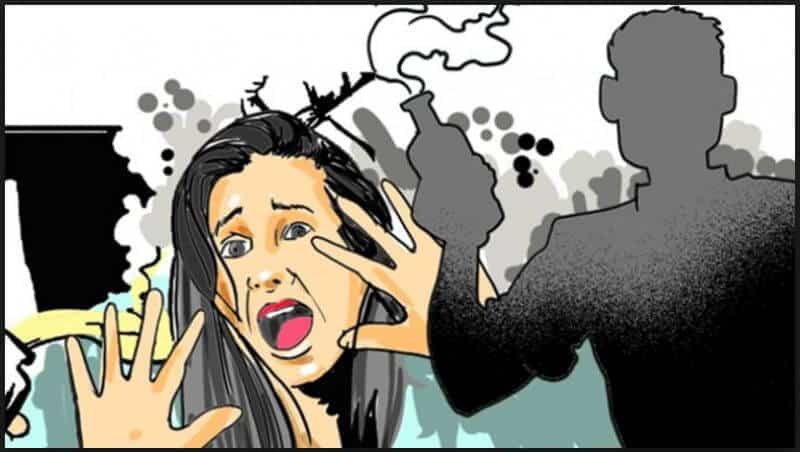
The act of throwing acid or a corrosive substance onto the body of another intentionally.

Forced marriage

Forcing a girl to marry without her consent or against her will.

Child marriage

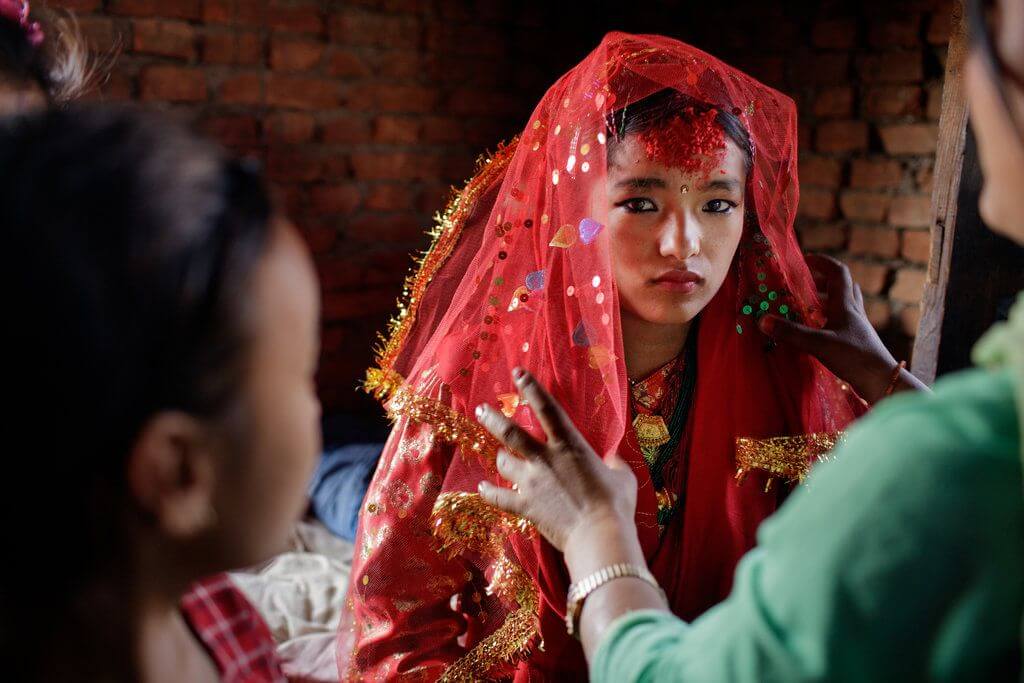
Marriage of a girl before reaching the age of 16.

Anti-woman cultural practices

  • Denial of medical care
  • Giving females in marriage or otherwise in Badl-e-Sulah,
  • Practice of Wanni, where in young girls are forcibly married, as part of the punishment for a crime committed by their male relatives.
  • Practice of Swara, where young girls are forcibly married to members of clans to resolve any feuds
  • Marriage with Holy Qura’an

Signs of Violence

Signs of Violence

Signs of Violence

Signs of Violence

Recognizing the Signs of Abuse: A Guide to Early Intervention

Abuse is not always physical; it is a systematic pattern of behaviors used to gain or maintain power and control over an intimate partner. Recognizing the early warning signs often referred to as “red flags” is the first step toward seeking safety and support.

  1. Emotional and Psychological Red Flags

Abusers often begin by undermining a partner’s self-esteem to make them easier to control. Look for these behaviors:

  • Persistent Monitoring: Constantly checking your phone, emails, or social media without permission.
  • Extreme Jealousy: Accusing you of infidelity or flirting without cause, often isolating you from friends and male colleagues.
  • Gaslighting: Denying that abusive events occurred or manipulating you into doubting your own perceptions and memories.
  • Public Humiliation: Consistently belittling, insulting, or mocking you in front of family, friends, or strangers.

  1. Behavioral Control and Isolation

Control often manifests as a gradual restriction of your personal freedom and autonomy:

  • Social Isolation: Pressuring you to stop seeing your family or friends, or making it difficult for you to maintain a job or education.
  • Financial Abuse: Controlling all household finances, restricting your access to money, or preventing you from working to ensure total dependency.
  • Unpredictable Temper: Living “on eggshells” due to sudden outbursts of anger or “the silent treatment” used as a form of punishment.
  1. Physical and Sexual Boundary Violations

Physical violence often escalates over time. Any of the following are severe indicators of danger:

  • Intimidation and Threats: Using looks, actions, or loud voices to scare you, or threatening to hurt themselves, you, your children, or your pets if you leave.
  • Destruction of Property: Breaking your personal belongings, punching walls, or throwing objects during an argument.
  • Physical Force: Any instance of pushing, slapping, restraining, or hitting, even if the partner later claims it was an “accident” or “out of character.”
  • Sexual Coercion: Forcing or manipulating you into sexual acts against your will, or disregarding your boundaries regarding reproductive health.

The Importance of Trusting Your Instincts

If you feel like something is “off” in your relationship, or if you find yourself constantly changing your behavior to avoid a partner’s anger, these are significant indicators of an unhealthy dynamic.

You are not responsible for your partner’s behavior, and you are not alone.