
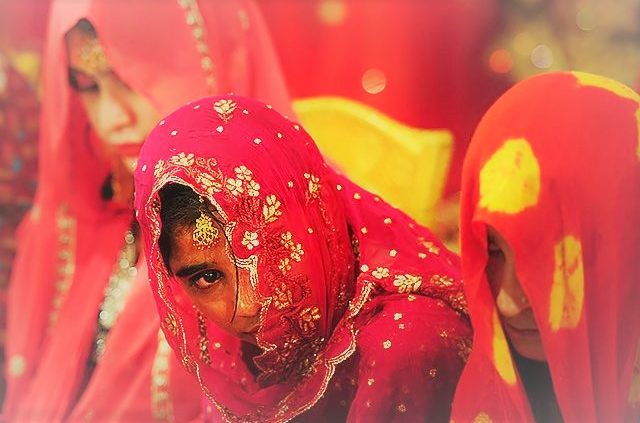
Early marriage, especially among girls under the age of 18, remains a prevalent issue in many parts of the world, particularly in South Asia, Sub-Saharan Africa, and parts of the Middle East. While cultural, religious, and economic factors are often cited as justifications for the practice, the medical consequences of early marriages are severe, long-lasting, and often fatal.
In this blog, we delve into the medical health risks that early marriage imposes, particularly on young brides, and why ending this practice is essential for ensuring a healthier future.
1. Risks of Teenage Pregnancy
The most immediate health concern for child brides is early and often repeated pregnancies. Teenage girls are physically immature and biologically unprepared for childbirth.
-
Obstetric Complications: Girls under 18 face a much higher risk of complications like obstructed labor, fistula, eclampsia, and postpartum hemorrhage.
-
Higher Maternal Mortality: According to the World Health Organization (WHO), pregnancy and childbirth complications are the leading cause of death among girls aged 15-19 globally.
-
Infant Mortality: Babies born to teenage mothers are more likely to be premature, underweight, or die shortly after birth.
2. Reproductive Health Issues
Young girls often face limited or no access to reproductive health education or services, increasing their vulnerability to:
-
Sexually Transmitted Infections (STIs): Including HIV, due to lack of knowledge and inability to negotiate safe sex.
-
Chronic Pelvic Pain and infertility due to untreated infections or complications during childbirth.
-
Irregular Menstrual Cycles and Anemia, due to poor nutrition and early onset of reproductive responsibilities.
3. Mental Health Impacts
The emotional toll of early marriage often goes unnoticed but can be devastating.
-
Depression and Anxiety: Loss of childhood, isolation, abuse, and lack of support contribute heavily.
-
Post-Traumatic Stress Disorder (PTSD): Particularly in cases where marriage involves coercion, abuse, or sexual violence.
-
Suicidal Tendencies: Research shows a correlation between early marriage and increased risk of suicidal ideation in adolescent girls.
4. Increased Risk of Domestic Violence
Girls married at an early age are more likely to face domestic and intimate partner violence. The power imbalance between a young girl and an older husband often leaves her voiceless and vulnerable, compounding her physical and mental health risks.
5. Poor Access to Healthcare
Early-married girls often drop out of school and become dependent on their spouse’s family, where they may not be allowed or able to seek medical help. This results in:
-
Delayed treatment of illnesses
-
Poor antenatal and postnatal care
-
Lack of awareness of personal health and hygiene
Global and Local Impact
In countries like Pakistan, India, Nigeria, and Bangladesh, early marriage remains common, despite laws prohibiting it. According to UNICEF, 12 million girls are married before the age of 18 every year. Most of these young girls are pushed into motherhood, skipping critical years of physical, mental, and emotional development.
What Can Be Done?
-
Enforcing Minimum Legal Marriage Age Laws
-
Investing in Girls’ Education
-
Providing Youth-Friendly Reproductive Healthcare
-
Raising Awareness Through Media and Community Leaders
-
Supporting Empowerment Programs for Girls