
by admin | Sep 9, 2025 | Uncategorized
Violence against women remains one of the most pressing human rights issues in Pakistan and around the world. Survivors of domestic abuse, harassment, or any form of violence often face not only physical harm but also deep psychological scars and social stigma. In such critical moments, helplines and safe houses act as lifelines — offering survivors immediate assistance, protection, and hope. But the question is: How effective are these support systems in reality?
The Role of Helplines
Helplines are often the first point of contact for survivors seeking help. They provide:
-
Immediate Support: A safe, confidential space where women can share their experience without judgment.
-
Guidance: Information about legal rights, medical care, and shelter options.
-
Emergency Response: Connecting survivors with police, lawyers, or safe houses.
However, challenges such as limited awareness, accessibility in rural areas, and lack of trained staff reduce their effectiveness. Many women still hesitate to call due to fear of exposure or mistrust in the system.
The Importance of Safe Houses
Safe houses are shelters designed to provide temporary refuge to women escaping abusive situations. They offer:
-
Safety from Abusers: A confidential location where survivors can live without fear.
-
Basic Needs: Food, healthcare, and emotional counseling.
-
Rehabilitation: Legal support, vocational training, and reintegration programs to help women rebuild their lives.
Despite their importance, safe houses in Pakistan are few and far between. Many face funding shortages, lack of proper facilities, or even social backlash from communities that view them as “breaking families.”
The Gaps That Need Addressing
While helplines and safe houses are critical tools, their effectiveness is often limited by systemic barriers:
-
Insufficient awareness campaigns
-
Lack of coordination between police, NGOs, and government bodies
-
Stigma attached to women seeking refuge outside their homes
-
Inadequate funding and infrastructure
The Way Forward
To make helplines and safe houses more effective, Pakistan needs:
-
Increased Funding & Expansion – More shelters and trained staff in urban and rural areas.
-
Awareness Campaigns – So every woman knows where to call and where to go in an emergency.
-
Strong Legal Backing – Ensuring survivors are not forced back to abusers.
-
Community Support – Changing cultural narratives that blame survivors instead of protecting them.
by admin | Sep 5, 2025 | Uncategorized
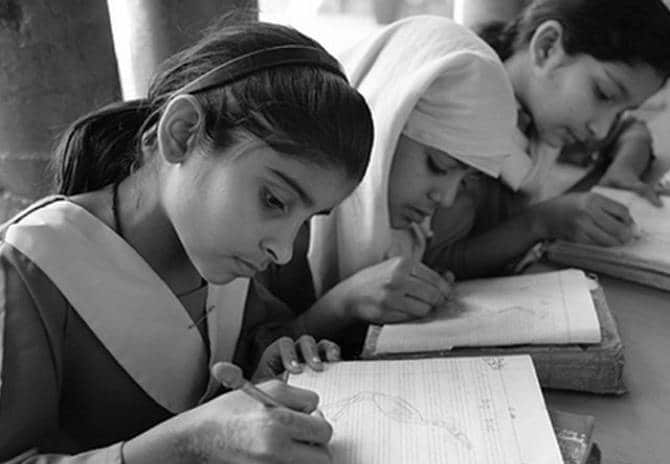
Violence against women remains one of the most pressing issues in Pakistan, especially in backward and rural areas where limited opportunities and deep-rooted traditions leave women vulnerable. Domestic abuse, forced marriages, and social restrictions are still prevalent, and the lack of education often makes it worse.
But there is hope. Education is one of the most powerful shields against gender-based violence. By empowering women with knowledge and awareness, we can break the cycle of silence and create safer communities.
How Lack of Education Fuels Violence
-
Limited Awareness of Rights – Women who cannot read or write often don’t know their basic rights, making them more likely to accept abuse as “normal.”
-
Dependence on Men – Without education, women have fewer job opportunities and become financially dependent, which reduces their power to speak against violence.
-
Cultural Misconceptions – Illiteracy allows harmful traditions, like child marriage or honor-based violence, to continue without being questioned.
-
Lack of Confidence – Education builds self-esteem. Without it, many women remain silent victims of abuse.
How Literacy Protects Women
-
Awareness of Rights – Educated women are more likely to demand justice and resist abusive behavior.
-
Economic Empowerment – Education opens doors to jobs and entrepreneurship, giving women financial independence.
-
Better Decision-Making – Literacy encourages women to take control of health, family planning, and social choices.
-
Raising the Next Generation – An educated mother passes awareness and values of equality to her children, reducing the chances of violence in future generations.
Education for Men – Changing Mindsets
Ending violence is not just about educating women—it is equally about educating men and boys. Literacy promotes empathy, critical thinking, and respect for women’s rights. When boys grow up understanding equality, the cycle of violence begins to break.
White Ribbon’s Call to Action
At White Ribbon Pakistan, we believe education is not just a tool but a shield against violence. By spreading literacy and awareness, we can empower women, transform communities, and build a safer Pakistan for all.
by admin | Aug 25, 2025 | Uncategorized
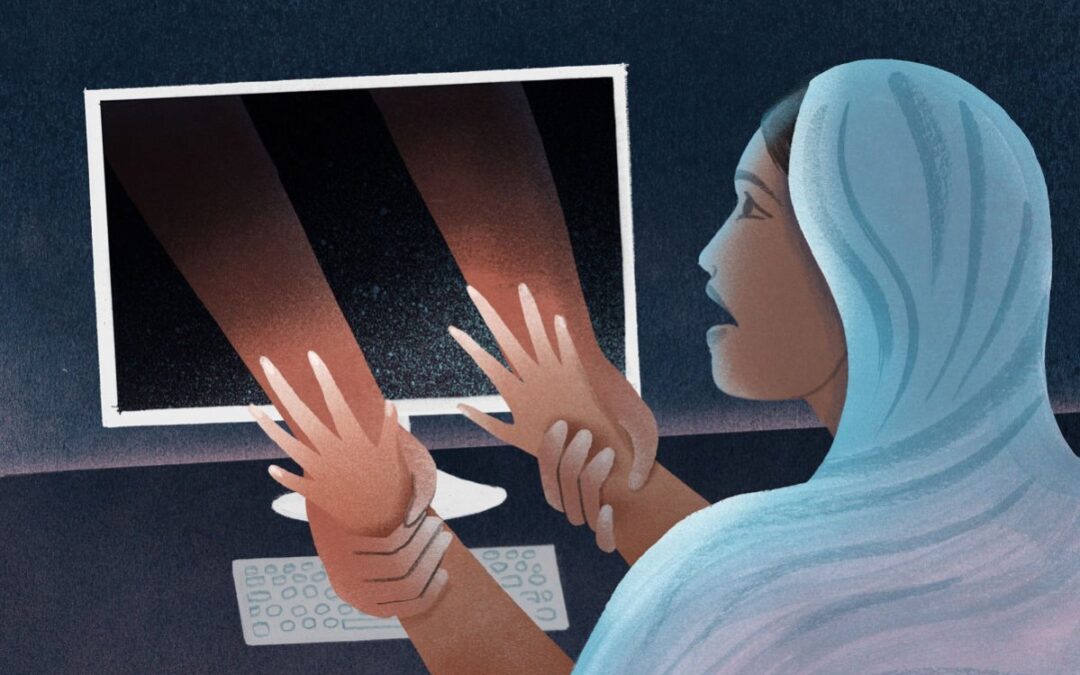
In today’s digital world, the internet has become a space for learning, connecting, and growing. But for many women, it has also become a new battleground. Cyber harassment—threats, stalking, blackmail, and abuse online—has emerged as one of the most alarming forms of violence against women. It may not leave visible scars, but its emotional and psychological impact can be devastating.
What is Cyber Harassment?
Cyber harassment refers to any act of intimidation, abuse, or exploitation that takes place through digital platforms. For women, it often includes:
-
Unwanted messages, threats, or explicit content
-
Non-consensual sharing of personal photos and videos
-
Online stalking and impersonation
-
Social media shaming or character assassination
-
Blackmail through hacked accounts or private information
These actions are not only harmful but also violate a woman’s right to privacy, dignity, and freedom of expression.
Why Women Are More Vulnerable
Women are disproportionately targeted because of deep-rooted gender stereotypes and cultural pressures. In societies where honor and reputation are tied to women, online harassment becomes a powerful tool of control. Fear of social stigma often stops victims from speaking out, allowing perpetrators to continue with impunity.
The Impact on Women’s Lives
Cyber harassment has real-world consequences. Victims often experience:
-
Emotional distress: Anxiety, fear, depression, and isolation.
-
Social withdrawal: Avoiding online spaces or limiting self-expression.
-
Professional setbacks: Women may hesitate to pursue careers that require an online presence.
-
Threats to safety: Online abuse often escalates into offline violence.
How to Fight Cyber Harassment
Tackling this issue requires awareness, collective responsibility, and stronger protections:
-
Know your rights: Laws in Pakistan, such as the Prevention of Electronic Crimes Act (PECA), provide legal avenues against online abuse.
-
Report and block: Use platform safety tools to block abusers and report offensive content.
-
Strengthen digital literacy: Women should be equipped with knowledge about privacy settings, safe browsing, and online security.
-
Community support: Families, schools, and workplaces must encourage victims to speak up without fear of judgment.
-
Accountability for platforms: Social media companies should be held responsible for timely action against harassment.
by admin | Aug 13, 2025 | Uncategorized
1. A Shocking Crime and an Unfolding Horror
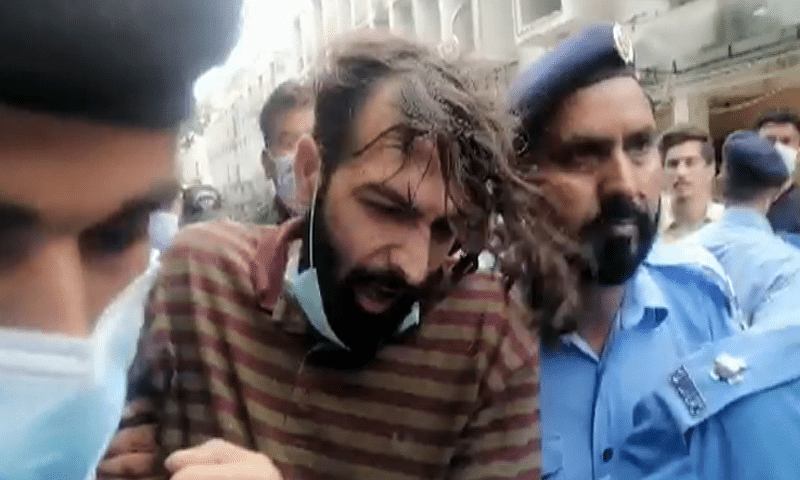
On July 20, 2021, 27-year-old Noor Muqaddam, daughter of a former Pakistani diplomat, was found brutally murdered at the residence of her acquaintance, Zahir Jaffer, in Islamabad’s upscale F-7/4 sector. Noor was held captive, tortured—reportedly with brass knuckles—and ultimately decapitated. Her attempts to escape were thwarted by household staff. The case sparked national and international outrage. The News International
2. Initial Conviction: Justice Delivered
The trial began in October 2021, with the prosecution presenting compelling forensic evidence, CCTV footage, DNA matches to the murder weapon, and witness testimonies. Despite attempts by the defense to claim mental instability, Zahir Jaffer was deemed mentally competent. The News International
On February 24, 2022, an Islamabad sessions court convicted Jaffer of premeditated murder and rape, sentencing him to death. He also received a concurrent 25-year prison term for rape (with a fine), while two household staff received 10-year terms for abetting. Jaffer’s parents and a therapist were acquitted. The News International
3. High Court Upholds Sentences, Intensifies Penalty
On March 13, 2023, the Islamabad High Court (IHC) upheld Jaffer’s death sentence for murder and added a second death sentence for rape, overturning the life term. The staff’s sentences were also upgraded to life imprisonment. The News InternationalDunya News
4. Public Reaction: Outpouring of Relief and Advocacy
After the IHC verdict, netizens expressed relief and praise, highlighting the persistent struggle of Noor’s father to secure justice amid widespread gender-based violence. Dunya News+1
5. Supreme Court Engagement: Defense Challenges Evidence
The appeal reached the Supreme Court, where hearings resumed around mid-May 2025. The defense, led by Salman Safdar, challenged the reliance on CCTV footage, noting a lack of forensic or eyewitness confirmation, questionable integrity of the post-mortem, and incomplete mental health examination of the accused—which was not addressed during the original trial. SAMAA TVUrduPoint
6. Written Verdict: SC Affirms Final Outcome
On June 10–12, 2025, the Supreme Court issued its detailed ruling:
-
It upheld the death sentence for Jaffer’s murder.
-
Reinstated life imprisonment for the rape charge (revising the IHC’s second death sentence).
-
Maintained the staff’s convictions and sentences.
-
Emphasized that video evidence, when properly authenticated, holds up as primary proof—even without eyewitnesses. Safety and Security TodayThe News International
By affirming these verdicts, the Court sent a powerful message about accountability and the evolving role of digital evidence in Pakistan’s criminal jurisprudence.
Why This Case Matters
-
Justice in Action: The case concluded with the highest standard of the law applied, irrespective of the high social standing of the accused.
-
Legal Precedent: The SC’s acknowledgment of video evidence as credible stands to reshape how courts handle future cases, especially where witnesses are scarce.
-
Social Momentum: The public’s steadfast demand for justice transformed this tragedy into a rallying point for women’s rights and judicial reform in Pakistan.
| Date |
Milestone |
| July 20, 2021 |
Crime committed & FIR registered |
| October 2021 |
Trial begins |
| Feb 24, 2022 |
Death sentence by sessions court |
| March 13, 2023 |
IHC upholds and strengthens sentencing |
| Mid-May 2025 |
SC hears appeal, defense presents arguments |
| June 10–12, 2025 |
SC issues written verdict |
The Noor Muqaddam case signifies not just a horrific crime, but also a landmark in Pakistan’s legal history. It stands as a testament to perseverance: of a grieving father, an outraged citizenry, and a legal system bidding to uphold justice. More importantly, its impact continues to fuel deeper conversations on gender-based violence, digital evidence, and the responsibility of institutions to deliver fair verdicts—no matter the personal stature of those involved.
If you’d like, I can summarize key legal takeaways or explore how this case has influenced public policy and activism in Pakistan.
by admin | Aug 6, 2025 | Uncategorized
Rape is one of the most inhuman crimes a person can commit.
It is not just a physical assault — it shatters the victim’s soul. The emotional, mental, and physical trauma a survivor endures can last a lifetime. In many societies, instead of being supported, the victims are blamed, judged, and often silenced. Their life becomes a struggle for survival, justice, and dignity — despite being the ones wronged.
But what happens to the rapist? How does the law treat those who destroy lives so brutally?
Across the world, different countries have introduced strict punishments for rape to ensure justice and create a safer society for women. Some nations have gone to extreme lengths, introducing harsh penalties to act as a strong deterrent against sexual violence.
Below is a look at how various countries respond to this horrific crime:
Pakistan
In Pakistan, rape, gang rape, and child molestation are punishable by death. Any assault involving public shame or exposure of a woman is also a crime with the highest level of punishment.
India
After the Anti-Rape Bill of 2013, India revised its laws. Convicted rapists can be sentenced to life imprisonment, imprisonment for the rest of their life, or even the death penalty in the rarest of rare cases.
Bangladesh
Following a rise in reported cases, Bangladesh approved capital punishment for rape in 2020. According to human rights data, nearly 1,000 cases of rape were reported in just the first nine months of that year, including over 200 gang rapes.
China
Rape is punishable by death in China. In some cases, chemical or surgical castration is also used as punishment.
Japan
The punishment for rape can range from 20 years to life. If the crime is committed during another offense like robbery or results in death, the sentence may be escalated to capital punishment.
Saudi Arabia
In Saudi Arabia, the punishment is extremely strict. Rapists are publicly executed by beheading, usually within a few days of the verdict. A sedative is sometimes administered before the sentence is carried out.
North Korea
Rapists in North Korea are executed by firing squad. The sentence is carried out swiftly.
Afghanistan
In Afghanistan, punishment can include execution by gunshot or hanging, usually carried out within days depending on the court’s judgment.
Egypt
Rapists face the death penalty by hanging in Egypt. This law is enforced in cases of extreme brutality and multiple offenders.
Iran
In Iran, rapists are sentenced to death, most commonly by hanging. In some cases, stoning has been reported in the past.
United States
Punishment for rape in the USA varies by state and whether the case is tried under state or federal law. Convictions may lead to several years in prison or even life imprisonment depending on the severity of the assault.
Russia
Rapists in Russia are sentenced to between 3 to 6 years in prison, though harsher sentences up to 20 years can be given in more serious cases or when children are involved.
France
In France, rape is punishable by a minimum of 15 years in prison. If the assault is particularly violent or involves other crimes, the sentence may be increased to 30 years or life imprisonment.
Norway
Norway takes sexual consent seriously. Any sexual activity without consent is considered rape. Sentences range from 4 to 15 years based on the severity of the case.
by admin | Jul 29, 2025 | Uncategorized
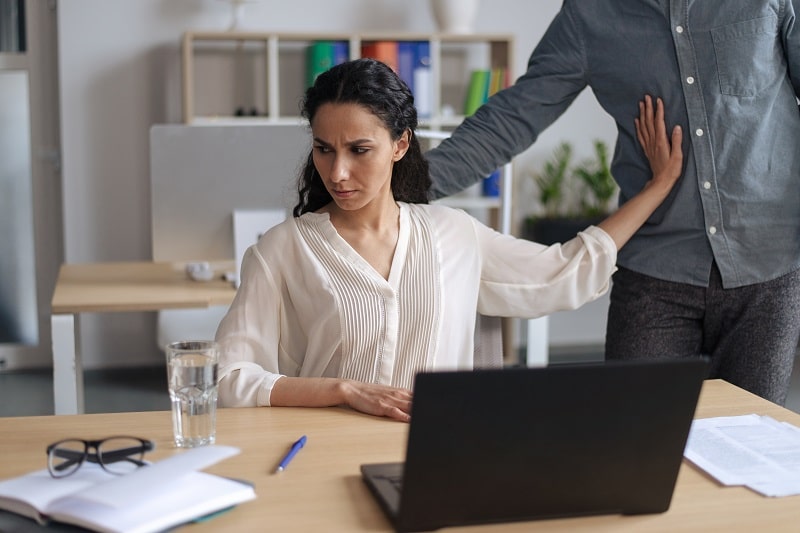
In many offices and workplaces, women still face unfair treatment. Even when they are skilled, educated and hardworking, they are not always treated with respect. Some men in power try to control or manipulate them using fear, pressure or false promises.
This often happens when a woman is facing some personal or financial problem. Instead of supporting her, some male managers or coworkers take advantage of the situation. They may offer her special help or favors but expect something in return. Sometimes they make her feel she must agree or else she might lose her job.
In other cases, women are made to feel guilty or scared. They are told to stay quiet, not to report bad behavior or not to raise their voice. If they speak up, they are labeled as troublemakers or are ignored by the team. This silent pressure keeps many women afraid and helpless at work.
Many women do not report harassment because they think no one will believe them. Or they are worried about their job and their family’s future. This fear keeps growing inside and affects their health, confidence and career.
As a society, we need to build workplaces where women feel safe and respected. Companies must have strong rules to stop harassment. Women must be encouraged to speak up. Men must be taught that power is a responsibility, not a tool to control.
If you are a woman facing such behavior, know that you are not alone. Speak to someone you trust. Document what is happening. Ask for help. You deserve a safe place to work.
Let us stand together for respect, honesty and justice in every workplace.
No woman should feel afraid at her job. Her voice matters. Her dignity matters.
by admin | Jul 26, 2025 | Uncategorized
Incident Overview
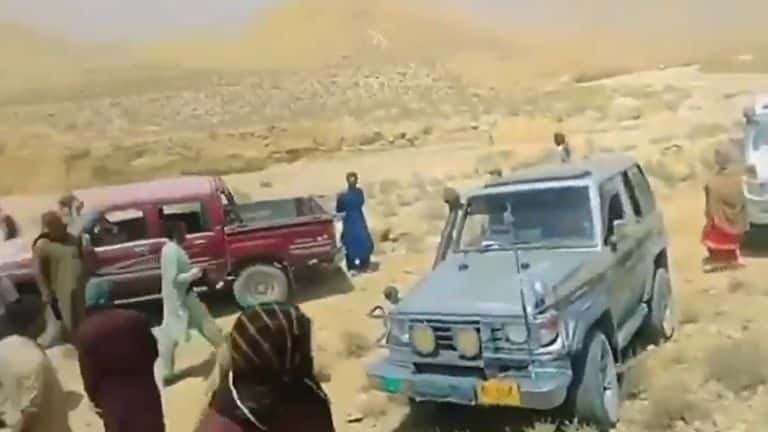
A video that went viral in July 2025 showed a young couple identified as Bano Bibi and Ahsan Ullah being led into a desert area on the outskirts of Quetta. In daylight, they were shot at close range by a group of armed men after reportedly marrying without family approval. The woman had reportedly spoken directly before being shot, saying: “Walk seven steps with me, after that you can shoot me. You are allowed only to shoot me. Nothing more than that.” The video captured both victims being executed in a brutal act widely condemned across the country Wikipedia+15AP News+15The Express Tribune+15.
Investigation & Legal Response
-
Authorities in Balochistan responded swiftly. On discovering the viral footage, a terrorism case was registered, and arrest operations began immediately. A suspect was detained rapidly, and raids are ongoing to apprehend others involved Dawn+1Dunya News+1.
-
At least 11 to 14 suspects have been arrested, including the tribal elder, Sardar Sherbaz Khan Satakzai, who allegedly ordered the killings. The bride’s brother, suspected of pulling the trigger, is still at large Al Jazeera+5Pakistan Today+5The Express Tribune+5.
-
Balochistan’s Chief Minister, Sarfraz Bugti, described the act as “painful and disgusting” and guaranteed that those responsible would face full legal consequences. The Balochistan High Court took suo motu notice and ordered senior officials to appear before the court to deliver investigative updates Images+8Pakistan Today+8The Express Tribune+8.
Context: Honour Killings in Pakistan
-
The Human Rights Commission of Pakistan (HRCP) reported 405 cases of so-called honour killings in 2024 alone, with real numbers likely higher due to underreporting. Most victims are women killed by relatives for violating traditional norms The Times of India+9The Guardian+9www.ndtv.com+9.
-
Experts state that regional tribal authority and feudal systems in parts of Balochistan perpetuate these practices. When tribal chiefs or jirga decisions override legal systems, women’s rights are severely undermined Al Jazeera+1The Guardian+1.
Key Takeaways
| Element |
Details |
| Victims |
Bano Bibi and Ahsan Ullah |
| Location |
Desert near Quetta, Balochistan |
| Reason given for killing |
Marriage without family or tribal approval (labelled dishonour) |
| Number arrested |
11–14, including tribal elder |
| Legal charges |
Murder (Section 302 PPC), terrorism case |
| Government action |
FIR registered, high court intervention, active raids |
| Wider impact |
Public outrage, calls for stronger laws, end to feudal justice |
by admin | Jul 25, 2025 | Uncategorized
In Pakistan, workplace harassment is not just a personal or social problem. It is also a crime under the law. Still, many people, especially women, do not know their legal rights. Some are afraid to speak up because they fear being blamed, losing their job, or being judged by society.
At White Ribbon Pakistan, we believe that the first step to stop harassment is to create awareness. Every employee and employer must understand what harassment is and what the law says about it.
What is Workplace Harassment?
The Protection Against Harassment of Women at the Workplace Act 2010 explains harassment as:
Any unwanted behavior of a sexual nature that makes a person uncomfortable at work. This includes touching, talking, writing, or showing something inappropriate.
Some examples are:
-
Unwanted touching or body contact
-
Dirty jokes or comments
-
Constant staring
-
Following someone around in the office
-
Showing inappropriate pictures or videos
-
Offering job benefits in return for personal favors
What Does the Law Say?
The Protection Against Harassment of Women at the Workplace Act 2010 applies to:
-
Government and private offices
-
Schools, colleges, and universities
-
Non-profit organizations and homes where people are hired to work
The law asks every workplace to:
-
Make a special committee to handle complaints
-
Put up the law where everyone can see it
-
Appoint a person to make sure the law is followed
In 2022, the law was improved to protect all people, not just women. It also now includes online and work-from-home situations.
What are the Punishments?
If someone is found guilty of harassment at the workplace, they can be punished in different ways.
Small punishments include:
Big punishments include:
Also, according to Section 509 of the Pakistan Penal Code:
These punishments are given in addition to what the company decides.
How to File a Complaint
If someone is facing harassment, they can:
-
Send a written complaint to the company’s harassment committee
-
Contact the Ombudsperson appointed by the government
-
File a complaint with the police under Section 509 of the Penal Code
In Punjab, people can visit this website to file complaints:
ombudswoman.punjab.gov.pk
White Ribbon Pakistan’s Message
We at White Ribbon Pakistan ask all workplaces to follow the law properly. Every company must provide a safe and respectful space for women and all employees.
Nobody should have to suffer in silence. Let us work together to stop harassment and make sure every person is treated with respect and fairness.
Workplace safety is not a gift. It is a basic human right.
Need Help or Awareness Training?
Write to us at: info@whiteribbon.org.pk
Call us at: 042 35883570
by admin | Jul 22, 2025 | Uncategorized
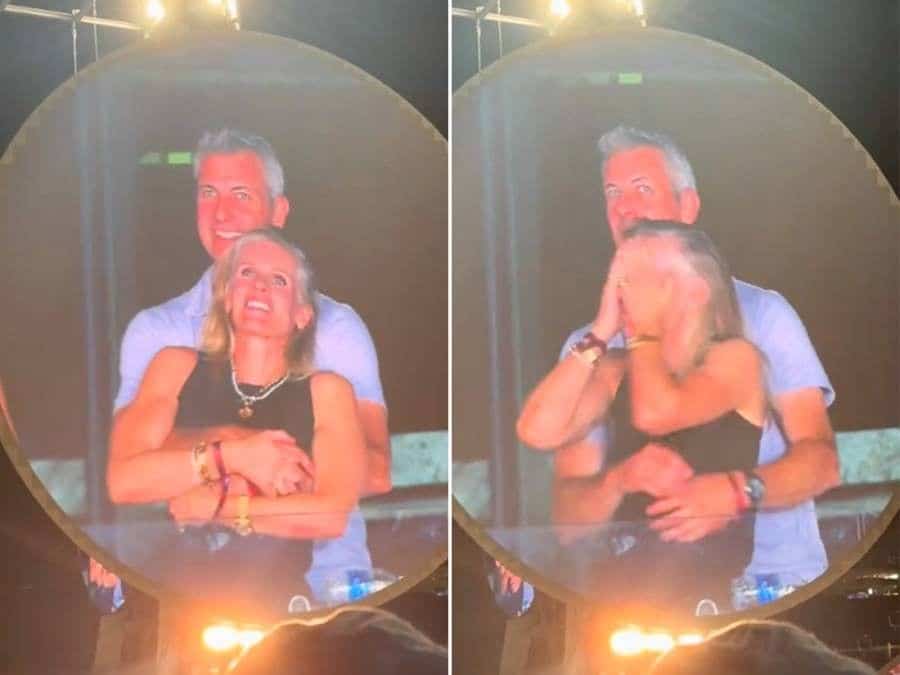
Recently, a CEO of a big tech company resigned after he was caught on camera involved in an inappropriate relationship with someone from his office. This video spread quickly, and people across the world started talking. It was not just about what he did in his personal life. It became a serious issue because he was in a position of power and trust. His actions were not only wrong but they were ethically very bad.
This incident teaches us an important lesson about how we should behave in our workplaces.
1. Everyone in the office is a colleague
Whether someone is a man or a woman, they are there to work with us, not to be taken advantage of. We should treat all coworkers with equal respect. There should be no room for any kind of misuse of position.
2. Managers and leaders must act responsibly
If you are a manager, a team leader, or in any position of authority, your behavior sets the tone for the entire workplace. Using your power to get personal favors or starting inappropriate relationships with juniors is completely wrong. It breaks trust and creates fear and discomfort.
3. Such behavior is not a small mistake
Some people think things like this are personal and should not matter. But in reality, these actions affect the whole team. They create unfairness, make others uncomfortable, and harm the work environment. It also gives a wrong message to society.
4. Trust is the base of a healthy workplace
People should feel safe and respected at work. If they feel their bosses or seniors can misuse power, it ruins that safety. It affects work, mental health, and the growth of the organization.
5. Ethics matter all the time
Ethical behavior is not something we turn on and off. It is not only for the office hours. Who we are in private also reflects on who we are in public. Leaders especially must remember this because people look up to them.
This incident is a wake-up call. We must remember that people are not objects. A woman or man working under us is not someone we can control for personal reasons. Respect, dignity, and fairness must always come first.
Let us all promise to make our workplaces safe and respectful. Let us use our positions to support others, not to hurt or control them. Because doing the right thing is not just about rules. It is about being a good human being.

by admin | Jul 18, 2025 | Uncategorized
On July 8, 2025, Humaira Asghar Ali was tragically found deceased in her locked apartment in DHA Phase VI, Karachi, during a court-ordered eviction prompted by months of unpaid rent. Police and a bailiff broke the door open to uncover her body in an advanced state of decomposition The Times of India+15Wikipedia+15The Siasat Daily+15.
The flat had no electricity—disconnected since October 2024—and the refrigerator held long-expired food. Rusted utensils, dry pipes, and unopened parcels added to the scene of profound neglect Pakistan Today+6Arab News PK+6www.ndtv.com+6.
The Timeline: Fall 2024 — A Death Unnoticed
Investigators pieced together that Humaira’s last known activity occurred on October 7, 2024. She attempted to contact 14 different people—including industry peers—but received no replies. After that date, all her mobile devices and social media went silent SAMAA TV+4Pakistan Today+4TNN – TRIBAL NEWS NETWORK+4.
Post-mortem analysis estimated the time of death at 8 to 10 months earlier—most likely in October 2024 Pakistan Today+11www.ndtv.com+11TNN – TRIBAL NEWS NETWORK+11.
State of the Remains: Severe Decomposition
Authorities described a disturbing scene: insects in her hair, internal organs liquefied into a “black-coloured mass,” and partially mummified remains. Despite the decay, no bone fractures or visible signs of violence were noted Wikipedia+3mint+3SAMAA TV+3.
With such decomposition, the autopsy couldn’t establish a cause of death. DNA and toxicology tests are ongoing to potentially reveal more insights The Economic Times+5www.ndtv.com+5mint+5.
Locked From Within: Mystery & Isolation
Investigators found that:
These clues complicate the narrative: was this natural or accidental? While early assessments lean that way, an active petition has stirred renewed calls to examine the possibility of foul play. Authorities are now reviewing digital evidence—call and bank records—amid the ongoing probe The Times of India+2The Economic Times+2The Economic Times+2.
Loneliness, Estrangement & The Public Response
Humaira had reportedly lived alone in Karachi for nearly seven years, working to revive her career while battling social and financial isolation. Police noted her repeated, unanswered pleas to friends for help before her disappearance The Express Tribune+12Arab News PK+12Arab News+12.
The post reveals painful details: her own father refused funeral rites, reportedly having severed ties with her over her career choices. The Sindh government had to arrange for her burial in Lahore’s Model Town, which saw minimal attendance The Times of India+3ABP Live+3Indiatimes+3.
Later, her brother denied estrangement and claimed the family had coordinated with authorities to retrieve her body though grieving personal circumstances delayed their response .
Broader Implications: Beyond One Tragedy
Humaira’s death resonated across Pakistan’s entertainment and civic circles:
-
It magnified concerns over urban isolation—one of many unattended deaths in major cities owing to shrinking community safety nets Moneycontrol+15Arab News PK+15The Siasat Daily+15.
-
Industry peers initiated support groups like Connectivity 101 aimed at daily check-ins and peer care within the arts community Arab News PK.
-
Discussions have also focused on the responsibility of landlords, building management, and the lack of CCTV or external oversight in detecting prolonged absence.
In Memory of Humaira: A Life Unseen, a Message Honored
Humaira Asghar Ali’s death stands as a heart-wrenching testament to the dangers of isolation—both social and emotional. She had a vibrant artistic portfolio as a model, actor, sculptor, and painter, but in the end, her voice faded unnoticed and unanswered.
Her story urges us to reflect on mental health awareness, community vigilance, and the crucial need for human connection—even in sprawling cities. Beyond the headlines and investigations, her final silence is a plea—to look closer, to reach out, and to remind one another: no one should disappear alone.