
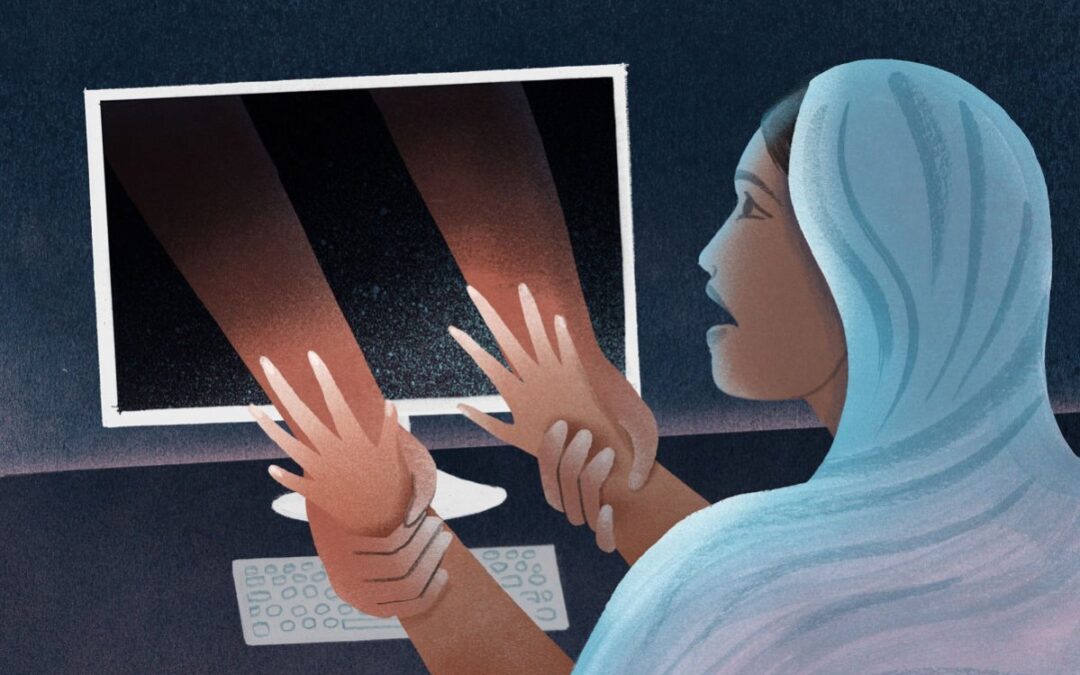
In today’s digital world, the internet has become a space for learning, connecting, and growing. But for many women, it has also become a new battleground. Cyber harassment—threats, stalking, blackmail, and abuse online—has emerged as one of the most alarming forms of violence against women. It may not leave visible scars, but its emotional and psychological impact can be devastating.
What is Cyber Harassment?
Cyber harassment refers to any act of intimidation, abuse, or exploitation that takes place through digital platforms. For women, it often includes:
-
Unwanted messages, threats, or explicit content
-
Non-consensual sharing of personal photos and videos
-
Online stalking and impersonation
-
Social media shaming or character assassination
-
Blackmail through hacked accounts or private information
These actions are not only harmful but also violate a woman’s right to privacy, dignity, and freedom of expression.
Why Women Are More Vulnerable
Women are disproportionately targeted because of deep-rooted gender stereotypes and cultural pressures. In societies where honor and reputation are tied to women, online harassment becomes a powerful tool of control. Fear of social stigma often stops victims from speaking out, allowing perpetrators to continue with impunity.
The Impact on Women’s Lives
Cyber harassment has real-world consequences. Victims often experience:
-
Emotional distress: Anxiety, fear, depression, and isolation.
-
Social withdrawal: Avoiding online spaces or limiting self-expression.
-
Professional setbacks: Women may hesitate to pursue careers that require an online presence.
-
Threats to safety: Online abuse often escalates into offline violence.
How to Fight Cyber Harassment
Tackling this issue requires awareness, collective responsibility, and stronger protections:
-
Know your rights: Laws in Pakistan, such as the Prevention of Electronic Crimes Act (PECA), provide legal avenues against online abuse.
-
Report and block: Use platform safety tools to block abusers and report offensive content.
-
Strengthen digital literacy: Women should be equipped with knowledge about privacy settings, safe browsing, and online security.
-
Community support: Families, schools, and workplaces must encourage victims to speak up without fear of judgment.
-
Accountability for platforms: Social media companies should be held responsible for timely action against harassment.