
by admin | Apr 23, 2025 | Uncategorized
Violence against women is not just a personal issue—it’s a deep-rooted social crisis that transcends borders, cultures, and communities. From the streets to homes, workplaces to institutions, women continue to face various forms of violence—physical, emotional, economic, and digital. Despite progress in awareness, the numbers remain alarming. But beyond statistics lies the real cost: the lives disrupted, voices silenced, and generations affected.
At the heart of this issue lies a fundamental inequality—a mindset that still views women as less. We must understand that this is not about isolated incidents, but about systems and beliefs that allow such behavior to exist and thrive.
But here’s the truth: change is possible, and it begins with awareness, support, empowerment, and collective action.
Breaking Barriers with Awareness and Education
Much like the way entrepreneurs challenge the status quo to build something meaningful, we need to challenge outdated cultural and societal norms that normalize gender-based violence. Awareness campaigns, school programs, community engagement, and accessible education are key drivers of this change. Organizations like Pink Ribbon Pakistan are already paving the way, not just in breast cancer awareness but in giving women a voice and a platform.
Empowering women with knowledge is not just preventative—it’s transformative. A society that educates both women and men about rights, respect, and responsibility can shift narratives and behaviors.
Leadership Means Protection, Not Power
A powerful leader is not the one who dominates, but the one who protects, uplifts, and inspires. Leaders—be it in homes, businesses, or governments—have a moral obligation to foster environments where every woman feels safe and valued.
Imagine a workplace where women are not just hired but heard. Where policies are built around safety, equality, and dignity. Where leadership leads by example—not with silence, but with action.
Entrepreneurship & Empowerment: A Pathway to Strength
Empowering women economically is one of the strongest tools against violence. Women who are financially independent are more likely to escape abusive situations and stand up for their rights. Encouraging women entrepreneurs, supporting small businesses led by women, and celebrating their success stories are essential in reshaping societal perceptions.
Women empowerment doesn’t end with opportunity—it begins with it.
From Advocacy to Action
It’s time to move beyond just talking about violence against women. Real impact lies in collective action. Support local women’s shelters, donate to organizations like Pink Ribbon and White Ribbon Pakistan, lobby for stricter laws, hold institutions accountable, and most importantly, listen to survivors. Believe them. Support them.
Social media, blogs, and storytelling are powerful tools. Use your voice. Share stories. Break the silence.
The Future is Equal—and It’s Ours to Build
Violence against women is not inevitable. It’s preventable. By shifting mindsets, strengthening laws, promoting equality, and educating the next generation, we can create a world where every woman is free to live without fear.
Let us not wait for change. Let us be the change.
Together, we can build a society where women are safe, strong, respected—and empowered.
by admin | Apr 14, 2025 | Uncategorized
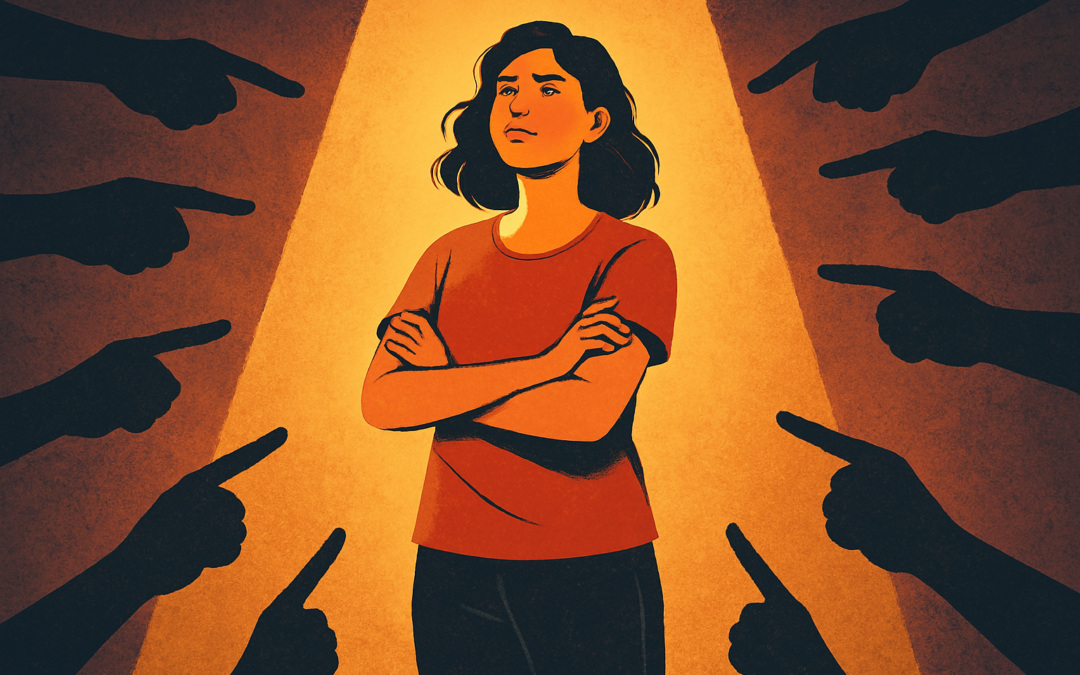
When a woman finds the courage to speak up about abuse, harassment, or violence, the response she receives from society can be just as harmful as the trauma itself. Rather than being met with support, empathy, and justice, too often she is questioned, doubted, and even blamed for what happened to her. This phenomenon is known as victim blaming, and it is a deeply rooted societal issue that perpetuates silence, injustice, and inequality.
What is Victim Blaming?
Victim blaming occurs when the victim of a crime or harmful act is held responsible, wholly or partially, for what happened to them. In the case of gender-based violence, this often means suggesting that a woman’s clothing, behavior, location, or past actions somehow provoked or justified the abuse.
For example:
-
“Why was she out so late?”
-
“She shouldn’t have worn that.”
-
“She probably led him on.”
-
“She must be exaggerating.”
These comments shift the focus from the perpetrator’s actions to the victim’s supposed “mistakes.” They reflect a dangerous mindset that undermines justice and reinforces a culture of silence and fear.
The Impact on Women
The consequences of victim blaming are profound. When women are blamed for the violence they endure:
-
They are less likely to report the abuse.
-
They may experience shame, guilt, and isolation.
-
Their mental and emotional healing is hindered.
-
The perpetrators are emboldened and unaccountable.
In effect, society tells women that their safety is their responsibility alone—and if something happens, they are at fault.
Why Does Victim Blaming Happen?
Victim blaming stems from a complex mix of cultural, psychological, and social factors. Some of these include:
-
Patriarchal values that place women in a subordinate position.
-
Myths about rape and violence, such as “men can’t control themselves.”
-
Denial as a defense mechanism: If we believe victims are to blame, we feel safer, thinking it couldn’t happen to us.
-
Lack of education about consent, gender equality, and the realities of abuse.
Changing the Narrative
We must shift the narrative from “What was she doing?” to “Why did he do that?” From “Why didn’t she leave?” to “Why did he abuse her?” Change begins with awareness, and here are steps we can all take:
-
Believe survivors without judgment.
-
Challenge victim-blaming language in everyday conversations.
-
Support education on gender equality and consent.
-
Hold perpetrators accountable, not victims.
-
Empower women to speak up by creating safe, supportive environments.
by admin | Apr 3, 2025 | Uncategorized
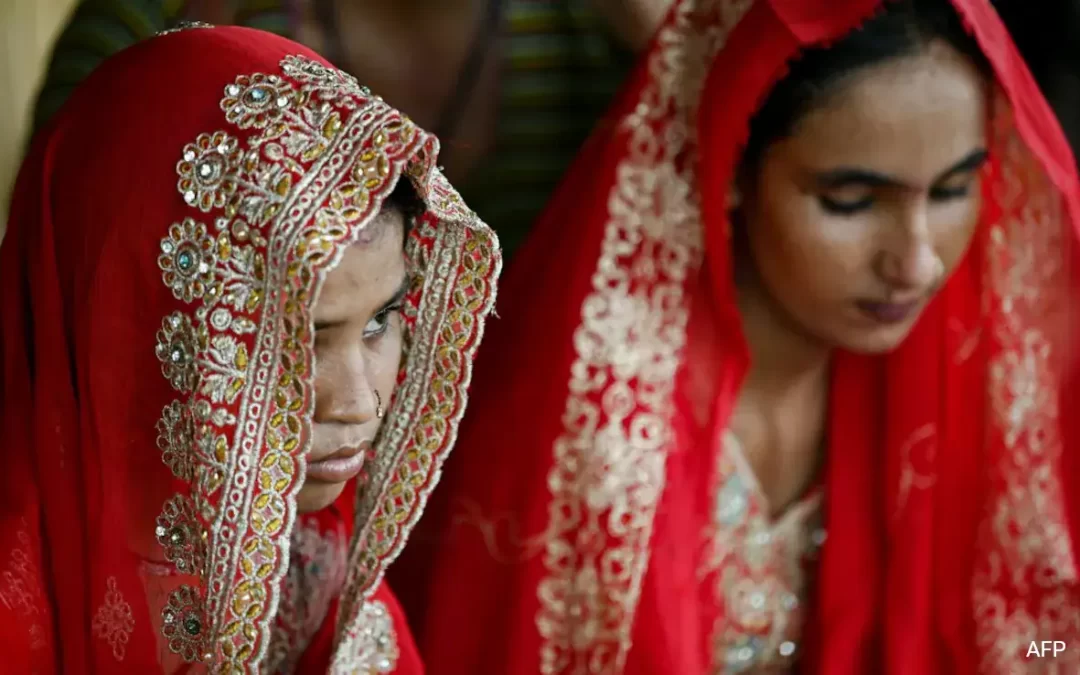
Child marriage remains a pressing issue in many parts of the world, with devastating consequences for young girls who are forced into early unions. While it is often justified by cultural, economic, or social factors, child marriage is a form of gender-based violence that significantly increases the risk of domestic abuse, emotional trauma, and lifelong disadvantage.
The Reality of Child Marriage
According to UNICEF, an estimated 12 million girls are married before the age of 18 every year. In some cases, these marriages are arranged due to poverty, where families believe marrying their daughters off early will relieve financial burdens. Other times, it is driven by traditions that dictate that girls must marry young to uphold family honor.
However, these child brides are often denied education, independence, and a choice in their own future. They enter marriage without full knowledge of their rights, making them more vulnerable to abuse.
How Child Marriage Leads to Domestic Abuse
1. Unequal Power Dynamics
When a young girl is married to an older man, there is an inherent power imbalance. The husband, often much older and more experienced, holds control over finances, decision-making, and household rules. This dynamic makes the child bride dependent and powerless, unable to resist demands or seek help.
2. Increased Risk of Physical and Emotional Abuse
Studies have shown that child brides are at a much higher risk of domestic violence. Many face physical, sexual, and emotional abuse at the hands of their husbands or in-laws. They are often expected to obey without question, and any resistance may result in beatings, marital rape, or psychological torment.
3. Limited Legal Protection
In countries where child marriage is still practiced, legal protections for young brides are weak or nonexistent. Many girls do not even realize that they have rights or that what they are experiencing is abuse. In some cases, authorities may not take their complaints seriously, leaving them trapped in abusive marriages.
4. Lack of Education and Economic Dependence
Child marriage frequently results in girls dropping out of school, limiting their opportunities for self-sufficiency. Without education or job prospects, they become completely financially dependent on their husbands, making it even harder for them to escape abusive situations.
5. Early Pregnancy and Health Risks
Many child brides are forced into early pregnancies, which carry severe health risks. Their bodies are often not ready for childbirth, leading to complications such as maternal mortality, stillbirths, or obstetric fistula. In abusive marriages, these young mothers also face the added burden of caring for children while enduring violence.
The Psychological Toll on Child Brides
The trauma of child marriage and domestic abuse extends beyond the physical. Many survivors struggle with severe depression, anxiety, and post-traumatic stress disorder (PTSD). The constant fear, isolation, and lack of freedom take a toll on their mental well-being, often leading to suicidal thoughts or self-harm.
What Can Be Done to Stop Child Marriage and Domestic Abuse?
1. Strengthening Laws and Policies
Governments must enforce strict laws banning child marriage and ensure that violators face legal consequences. Minimum marriage age laws must be upheld, with no exceptions based on parental consent or religious traditions.
2. Empowering Girls Through Education
Education is one of the most powerful tools to combat child marriage. When girls stay in school, they are more likely to delay marriage and gain the skills needed to become financially independent.
3. Providing Safe Spaces and Support
Communities and NGOs must provide shelters, legal assistance, and counseling for girls escaping child marriages. Many victims have nowhere to turn, so having safe spaces where they can seek help is crucial.
4. Changing Cultural Norms and Awareness
Efforts must be made to challenge cultural traditions that normalize child marriage. Through awareness campaigns, community discussions, and education, societies can gradually shift toward valuing girls’ rights and futures.
5. Engaging Men and Boys
Men and boys play a vital role in ending child marriage. By educating young men about gender equality and healthy relationships, we can reduce the likelihood of them becoming perpetrators of abuse. Fathers and brothers can also act as allies by refusing to support forced marriages within their families.
by admin | Mar 19, 2025 | Uncategorized
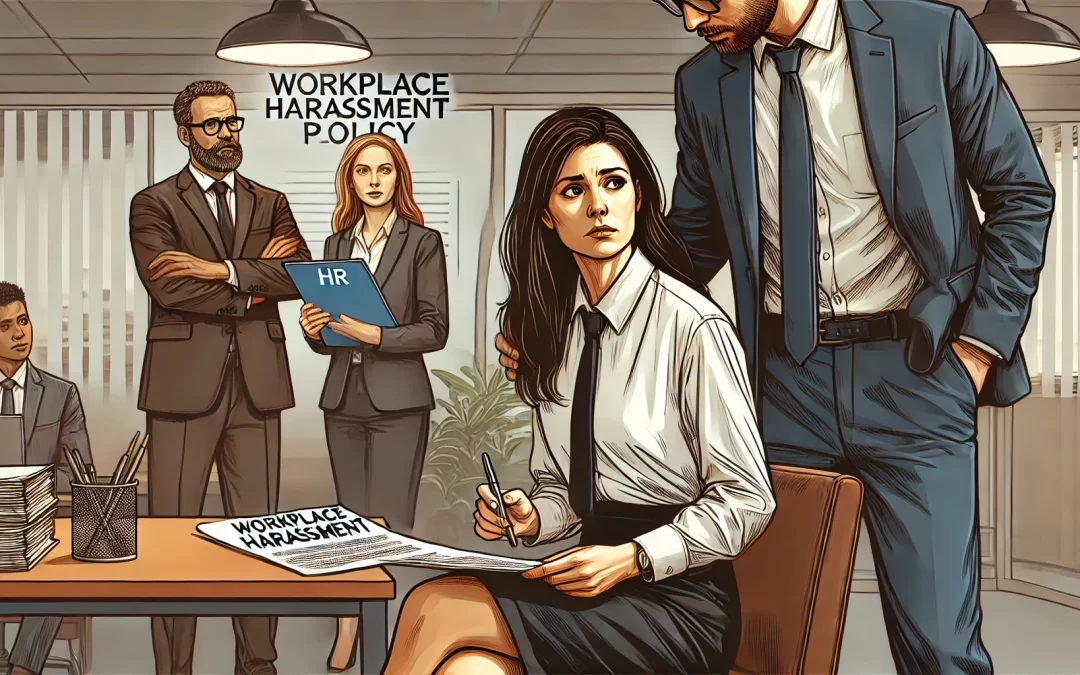
Workplace harassment is a serious issue that affects employees across industries, leading to emotional distress, career setbacks, and toxic work environments. Many victims suffer in silence, either out of fear of retaliation or lack of awareness about their rights. Recognizing workplace harassment and knowing how to fight back is essential for creating safe, respectful, and productive workplaces.
Understanding Workplace Harassment
Workplace harassment is any unwanted behavior that creates a hostile or intimidating environment. It can be verbal, physical, psychological, or digital. The most common forms include:
- Sexual Harassment – Unwanted sexual advances, inappropriate comments, or requests for sexual favors.
- Verbal Harassment – Insults, slurs, or offensive jokes targeted at someone’s gender, race, religion, or background.
- Physical Harassment – Unwanted touching, intimidation, or physical violence.
- Psychological Harassment – Gaslighting, threats, or emotional manipulation.
- Cyber Harassment – Offensive emails, text messages, or social media threats from colleagues or superiors.
Harassment can come from anyone in the workplace—a boss, a coworker, a client, or even a subordinate. It often goes unreported due to fear of losing a job, damaging one’s reputation, or lack of confidence in the reporting system.
How to Recognize Workplace Harassment
Many victims fail to recognize harassment because they normalize inappropriate behavior. Here are key signs:
- You feel unsafe, uncomfortable, or disrespected due to someone’s behavior.
- You are constantly belittled, insulted, or humiliated.
- You face unwanted advances or inappropriate jokes about your gender, race, or identity.
- You are pressured into actions that violate your personal boundaries.
- Your work is sabotaged, or you are unfairly treated due to personal bias.
If any of these situations sound familiar, you may be experiencing workplace harassment.
How to Fight Back Against Workplace Harassment

1. Document Everything
Keep a record of all incidents, including dates, times, locations, people involved, and any witnesses. Save emails, messages, and any other evidence that supports your case.
2. Speak Up Immediately
If you feel safe, confront the harasser directly. A firm response like, “I find your behavior inappropriate, and I want it to stop,” can sometimes deter further harassment.
3. Report to HR or Management
Most workplaces have anti-harassment policies. Follow the official procedure for reporting harassment. If your company lacks proper policies, escalate the complaint to senior management or external legal bodies.
4. Know Your Rights
Many countries have strict laws against workplace harassment. Familiarize yourself with labor laws in your region and seek legal advice if needed.
5. Seek Support
Do not suffer in silence. Talk to a trusted colleague, mentor, or counselor. Support groups and employee unions can also provide guidance.
6. Take Legal Action if Necessary
If internal complaints are ignored, consider taking legal steps. Many organizations and human rights commissions offer free legal aid to workplace harassment victims.
Creating a Harassment-Free Workplace
Fighting workplace harassment is not just the victim’s responsibility—everyone plays a role. Organizations must:
- Implement strict anti-harassment policies and ensure all employees are aware of them.
- Train employees and managers on recognizing and preventing harassment.
- Encourage a culture of respect where employees feel safe to report concerns.
- Take swift action against offenders to set a precedent for zero tolerance.

by admin | Feb 27, 2025 | Uncategorized
Violence against women is a deeply entrenched social issue that affects millions worldwide. Despite global efforts to combat it, the cycle of violence persists, trapping victims in a repetitive and destructive pattern. Understanding this cycle is crucial in breaking it and fostering a society that upholds women’s rights and safety.
Understanding the Cycle of Violence
The cycle of violence against women, first conceptualized by psychologist Dr. Lenore Walker, consists of three recurring phases:
- Tension-Building Phase
This phase is marked by rising tensions in a relationship. The abuser may become increasingly irritable, controlling, or verbally abusive. The victim often tries to appease the abuser to prevent escalation, leading to a sense of walking on eggshells.
- Acute Explosion Phase
This is the stage where the actual violence occurs. It can take various forms, including physical, emotional, sexual, or psychological abuse. The abuser exerts power and control over the victim, often leaving them physically harmed and emotionally shattered.
- Honeymoon Phase
After the outburst, the abuser may express remorse, offer apologies, and make promises to change. They may shower the victim with affection and gifts, creating a false sense of security. However, without genuine efforts to change, the cycle repeats, often with increased severity.
The Impact of the Cycle
The repetition of this cycle has profound effects on the victim. Over time, women caught in abusive relationships may experience:
- Physical injuries ranging from bruises to life-threatening conditions.
- Psychological trauma, including anxiety, depression, and PTSD.
- Social isolation, as abusers often manipulate and control victims to cut ties with supportive friends and family.
- Economic dependence, making it difficult for victims to leave abusive relationships due to financial constraints.
Breaking the Cycle
Ending the cycle of violence requires a multi-faceted approach, involving individuals, communities, and institutions. Here’s how we can help:
- Raising Awareness
Public education campaigns can help communities recognize the signs of abuse and intervene early.
- Strengthening Legal Protections
Governments must enforce stringent laws against domestic violence and ensure that victims have access to justice and protection.
- Providing Support Services
Shelters, counseling, and financial assistance empower women to leave abusive situations and rebuild their lives.
- Encouraging Societal Change
Challenging gender norms and toxic masculinity can help create a culture where respect and equality thrive.
by admin | Feb 26, 2025 | Uncategorized
Le monde des casinos en ligne ne cesse de croître, offrant aux joueurs une multitude d’options pour tenter leur chance et profiter d’une expérience de jeu immersive. Parmi les plateformes qui se démarquent en France, Casinozer s’impose comme une référence incontournable grâce à son interface moderne, sa large sélection de jeux et ses offres promotionnelles attractives. Que vous soyez un joueur débutant ou expérimenté, Casinozer propose des services adaptés à tous les profils.
Pour ceux qui souhaitent bénéficier d’avantages exclusifs dès leur inscription, le casinozer bonus est une opportunité à ne pas manquer. Cette offre spéciale permet aux nouveaux membres de maximiser leur capital de départ et d’explorer les jeux avec plus de sérénité.
Pourquoi Choisir Casinozer en France ?
Le marché français des jeux en ligne est très réglementé, ce qui garantit une expérience sécurisée et équitable pour les joueurs. Casinozer respecte toutes les normes en vigueur, assurant ainsi la protection des données personnelles et des transactions financières. Voici quelques raisons pour lesquelles Casinozer est plébiscité par les joueurs français :
- Licence et sécurité : Casinozer est licencié par des autorités reconnues, ce qui assure un cadre légal strict.
- Large choix de jeux : Machines à sous, jeux de table, paris sportifs et e-sports, la variété est au rendez-vous.
- Interface intuitive : Le site est facile à naviguer, même pour les novices.
- Support client réactif : Une équipe disponible 24/7 pour répondre à toutes vos questions.
- Options de paiement diversifiées : Cartes bancaires, portefeuilles électroniques, cryptomonnaies, etc.
Les Jeux Disponibles sur Casinozer
Casinozer propose une gamme étendue de jeux conçus par les meilleurs développeurs du secteur. Que vous soyez fan de machines à sous classiques ou que vous préfériez les jeux de table comme le blackjack ou la roulette, vous trouverez forcément votre bonheur. Voici un aperçu des catégories principales :
- Machines à sous : Plus de 1000 titres avec des thèmes variés et des jackpots progressifs.
- Jeux de table : Blackjack, roulette, baccarat et poker avec des variantes multiples.
- Live Casino : Interaction en temps réel avec de vrais croupiers pour une immersion totale.
- Paris sportifs : Couverture étendue des événements sportifs nationaux et internationaux.
- E-sports : Paris sur les compétitions de jeux vidéo les plus populaires.
Table des Jeux Populaires sur Casinozer
| Catégorie |
Jeu |
Caractéristique principale |
Fournisseur |
| Machine à sous |
Starburst |
Jackpot progressif, graphismes colorés |
NetEnt |
| Jeu de table |
Blackjack Classique |
Stratégie et chance |
Evolution Gaming |
| Live Casino |
Roulette Live |
Interaction en direct avec croupier |
Pragmatic Play |
| Paris sportifs |
Football Ligue 1 |
Cotes compétitives |
Propriétaire |
| E-sports |
League of Legends |
Paris en direct |
Propriétaire |
Comment Profiter des Bonus sur Casinozer ?
Les bonus sont un élément clé pour augmenter vos chances de gains et prolonger votre temps de jeu. Casinozer propose régulièrement des promotions attractives, notamment pour les nouveaux inscrits. Voici comment maximiser vos avantages :
- Inscription : Créez un compte en quelques minutes et validez-le pour accéder aux offres.
- Bonus de bienvenue : Profitez du casinozer bonus pour obtenir un montant supplémentaire sur votre premier dépôt.
- Promotions régulières : Cashback, free spins, tournois avec des prix à gagner.
- Programme VIP : Fidélisez-vous pour bénéficier d’avantages exclusifs et de gestionnaires dédiés.
Conseils pour Utiliser les Bonus
- Lisez toujours les conditions de mise avant de réclamer un bonus.
- Utilisez les free spins sur les jeux recommandés pour optimiser vos chances.
- Planifiez vos dépôts pour profiter des meilleures offres.
- Ne misez pas tout votre bonus en une seule fois, répartissez vos mises.
Les Méthodes de Paiement Disponibles sur Casinozer
Pour garantir une expérience fluide, Casinozer met à disposition plusieurs options de dépôt et de retrait adaptées aux joueurs français. La rapidité et la sécurité des transactions sont prioritaires :
- Cartes bancaires Visa et Mastercard
- Portefeuilles électroniques comme Skrill et Neteller
- Virements bancaires
- Cryptomonnaies (Bitcoin, Ethereum)
- Cartes prépayées
Tableau des Délais et Limites des Paiements
| Méthode |
Délai de dépôt |
Délai de retrait |
Limite minimale |
Limite maximale |
| Carte bancaire |
Instantané |
24-48 heures |
10 € |
5 000 € |
| Skrill |
Instantané |
12-24 heures |
10 € |
10 000 € |
| Virement bancaire |
1-3 jours |
3-5 jours |
50 € |
20 000 € |
| Bitcoin |
Instantané |
12-24 heures |
20 € |
15 000 € |
Conclusion : Casinozer, une Plateforme de Confiance pour les Joueurs Français
En résumé, Casinozer s’impose comme un choix judicieux pour tous les amateurs de jeux d’argent en ligne en France. Sa conformité avec la réglementation locale, son catalogue de jeux diversifié, ses bonus attractifs et ses options de paiement sécurisées en font une plateforme complète et fiable. Que vous souhaitiez jouer pour le plaisir ou viser des gains importants, Casinozer offre un environnement optimal pour vivre une expérience de jeu réussie.
N’attendez plus pour profiter des avantages offerts par cette plateforme innovante et sécurisée. Inscrivez-vous dès aujourd’hui et bénéficiez du casinozer bonus pour démarrer votre aventure avec un coup de pouce supplémentaire.