
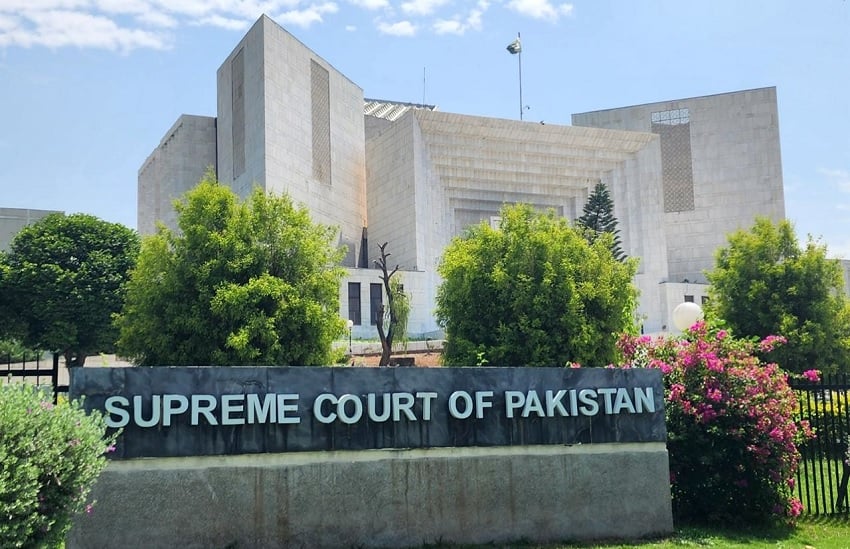
In a landmark ruling, the Supreme Court of Pakistan has declared that a daughter’s right to employment under her deceased father’s government job quota remains valid regardless of her marital status.
Justice Syed Mansoor Ali Shah, who authored the nine-page verdict, asserted that a woman’s legal rights, identity, and autonomy are not diminished by marriage. The court found that denying employment to married daughters under this quota is both discriminatory and unlawful.
The judgment clarified that according to the Khyber Pakhtunkhwa Civil Servants Rules, all children of a deceased or medically retired government servant are entitled to job consideration. Any executive orders attempting to restrict this eligibility are invalid.
Moreover, the court emphasized that excluding daughters based on their marital status violates constitutional protections under Articles 14, 25, and 27, which guarantee equality, dignity, and protection from discrimination. It further highlighted that a woman’s financial independence is a basic right, not subject to her marital condition.
The ruling also pointed out that Pakistan is a signatory to global agreements aimed at eradicating discrimination against women, including bias in employment based on marriage. The court urged for broader recognition of women’s economic and legal rights, and the dismantling of cultural norms that deny women their rightful access to public opportunities after marriage.
Additionally, the court recommended that judicial and administrative bodies use gender-sensitive and unbiased language, cautioning that patriarchal terms contradict constitutional values.
Concluding the case, the court overturned the dismissal of the petitioner and ordered her immediate reinstatement with full benefits.