Types of Abuse

Types of Abuse

Types of Abuse

Types of Abuse

Violence against women (VAW), also known as gender-based violence is fierce acts committed against women and girls that bring physical, sexual, or psychological harm or suffering to women. Violence against women exists at different levels. Following are the forms of violence against women.

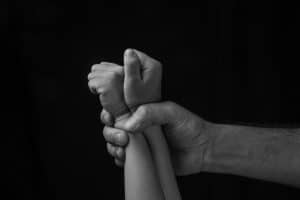
Physical Violence/Abuse

Physical abuse is any intentional act causing injury or trauma to another person or animal by way of bodily contact.

  • Hitting, slapping, punching, kicking
  • Burning
  • Strangulation
  • Spitting or biting
  • Physical restraint e.g. pinning against the wall or bed.
  • Driving dangerously
  • Compelling her to abuse a substance or forced feeding
  • Use of weapons
  • Intentional use of physical force that can cause Death, Disability, Injury, and Harm
Domestic Violence/Abuse

Domestic Violence is a pattern of behavior that involves violence or other abuse by one person against another in a domestic setting. Domestic abuse occurs whenever one person in an intimate relationship or marriage tries to dominate and control the other person. Domestic violence occurs to gain and maintain total control over you. An abuser doesn’t “play fair.” He uses fear, guilt, shame, and intimidation to wear you down and keep you under his thumb. Your abuser may also threaten you, hurt you, or hurt those around you. Domestic Violence occurs within all age ranges, ethnic backgrounds, and economic levels. while women are more commonly victimized, men are also abused—especially verbally and emotionally.

  • Hitting, slapping, punching, kicking
  • Burning
  • Strangulation
  • Spitting or biting
  • Physical restraint e.g. pinning against the wall or bed.
  • Driving dangerously
  • Sleep and food deprivation
  • Refusing medical care and/or controlling medication
  • Reproductive coercion
  • Compelling her to abuse a substance or forced feeding
  • Use of weapons
  • Intentional use of physical force that can cause Death, Disability, Injury and Harm

Sexual Violence/Abuse

Sexual violence is any sexual act or attempt to obtain a sexual act by violence or coercion, acts to traffic a person or acts directed against a person’s sexuality, regardless of the relationship to the victim. It can be in different forms such as Rape, Stripping, Exhibitionism, Sexual photography, Incest, forced prostitution, Trafficking for sexual exploitation, Stalking, Eve-Teasing and Sexual harassment.

  1. Rape/Marital rape
  • Against her will
  • Without her consent
  • When the consent has been obtained by putting her in fear of death or of hurt
  • With or without her consent when she is under 16 years of age

2. Pursuing sexual activity when the victim is not fully conscious or is afraid to say no

3. Hurting partner physically during sex

4. Coercing partner to have sex without protection / sabotaging birth control

5. Stripping

6. Exhibitionism

7. Unwanted touching

8. Unwanted exposure to pornography

9. Sexual photography

10. Incest

11. Forcing a partner to have sex with other people

12. Forced prostitution

13. Trafficking for sexual exploitation
Emotional/Psychological Violence/Abuse

The behavior characterized by a person subjecting, or exposing another person that may result in psychological trauma;

  • Imposing Restrictions on freedom of movement
  • Controlling activities: discourages you from seeing friends or family
  • Name-calling, insulting, Shaming, humiliating even in front of others
  • Blaming for everything
  • Constantly accusing of cheating or else
  • Intimidation/terrorizing: Gets angry in a way that is frightening to you
  • Damaging personal property
  • Causing Isolation
  • Stalking, wants to know what you’re doing all the time be in constant contact
  • The behavior that may result in psychological trauma
  • Harassment online and offline
  • Demands passwordforto things like your phone, email, and social media and shows other signs of digital abuse
  • Threatens to hurt you, people you care about, or pets
  • Threatens to call the authorities to report you for wrongdoing
  • Threatens to harm himself when upset with you
  • Says things like, “If I can’t have you, then no one can”
  • Decides things for you that you should decide (like what to wear or eat)

Economic/Financial Violence/Abuse

Any act or behaviour which causes economic harm to an individual. Economic violence can take the form of, for example, property damage; restricted access to financial resources, education or the labour market, or not complying with economic responsibilities, such as alimony.

  • Take control of all the money and resources
  • Controlling financial assets and effectively putting her on an allowance
  • Damaging her credit score
  • Refusing to give her access to bank accounts
  • Conceal financial information from her
  • Urging or demanding her to quit the job
  • Inflicting physical harm or injury that would prevent her from attending work
  • Stalking or harassing her at work
  • Giving her a set amount of money to spend and no more
  • Constantly questioning purchases, she makes and demanding to see receipts
  • Making financial decisions without consulting her
  • Using her credit card without permission
  • Sell a property that is hers
  • Refusing to work or contribute to household expenses
  • Not paying child support so she can’t afford rent, food, and other needed items
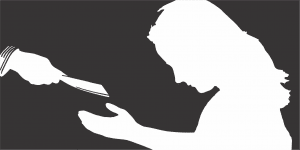
Harassment/sexual harassment/ Stalking online/offline

  • Harassment means any unwelcome sexual advance
  • Request for sexual favors
  • Physical conduct of a sexual nature
  • Sexually demeaning attitudes
  • Harassment and sexual harassment at the work-place
  • Stalking
  • Eve-Teasing, Whistling or catcalling
  • Obscene verbal or written communication
  • Physical conduct of a sexual nature
  • Harass, bully and torture online through social media
  • Making comments about your clothing, body, behavior, or romantic relationships
  • Making sexual jokes or comments
  • Repeatedly asking you out on a date after you have said no
  • Requesting sexual photos or videos of you
  • Threatening you for saying no to a sexual request
  • Spreading rumors about your personal or sexual life
  • Sending online links or photos with explicit or graphic sexual content

Honor Crime

The homicide of a member of a family or social group due to the belief that the victim has brought dishonor upon the family or the community.
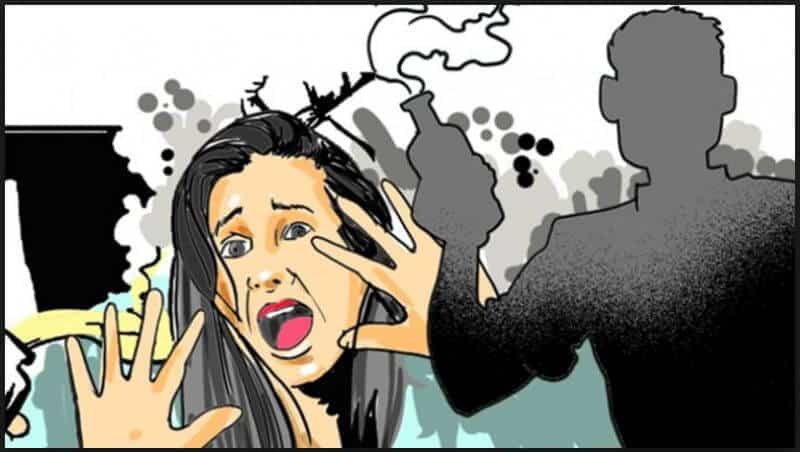
Acid throwing

The act of throwing acid or a corrosive substance onto the body of another intentionally.
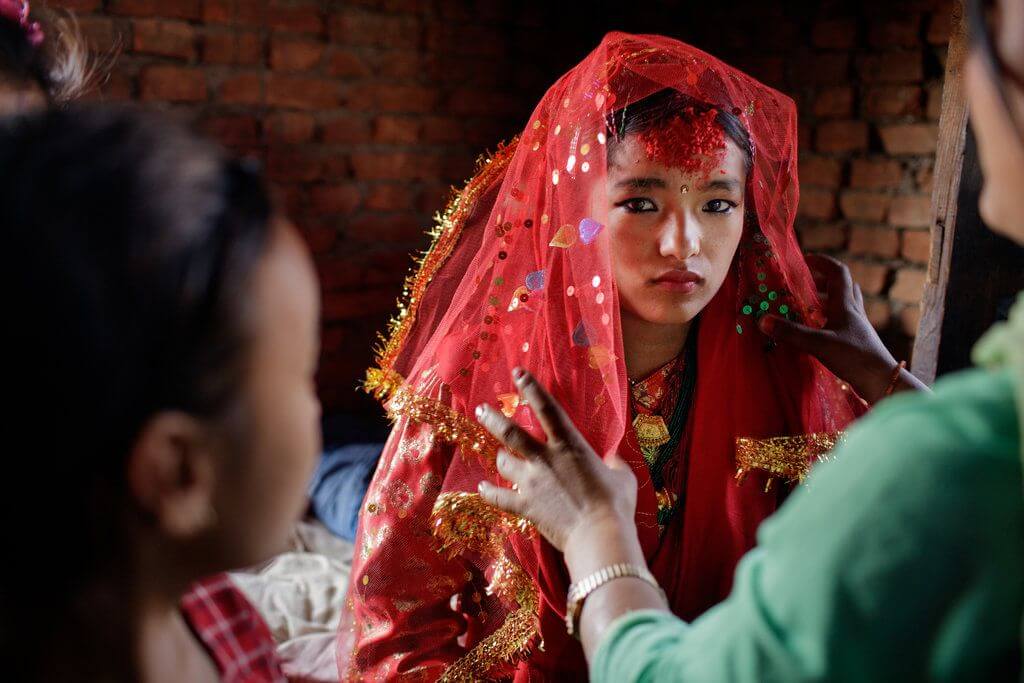
Forced marriage

Forcing a girl to marry without her consent or against her will.
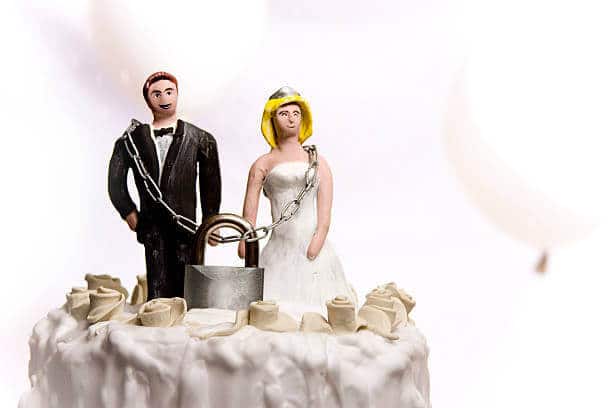
Child marriage

Marriage of a girl before reaching the age of 16.

Anti-woman cultural practices

  • Denial of medical care
  • Giving females in marriage or otherwise in Badl-e-Sulah,
  • Practice of Wanni, where in young girls are forcibly married, as part of the punishment for a crime committed by their male relatives.
  • Practice of Swara, where young girls are forcibly married to members of clans to resolve any feuds
  • Marriage with Holy Qura’an

Signs of Violence

Signs of Violence

Signs of Violence

Signs of Violence

Recognizing the Signs of Abuse: A Guide to Early Intervention

Abuse is not always physical; it is a systematic pattern of behaviors used to gain or maintain power and control over an intimate partner. Recognizing the early warning signs often referred to as “red flags” is the first step toward seeking safety and support.

  1. Emotional and Psychological Red Flags

Abusers often begin by undermining a partner’s self-esteem to make them easier to control. Look for these behaviors:

  • Persistent Monitoring: Constantly checking your phone, emails, or social media without permission.
  • Extreme Jealousy: Accusing you of infidelity or flirting without cause, often isolating you from friends and male colleagues.
  • Gaslighting: Denying that abusive events occurred or manipulating you into doubting your own perceptions and memories.
  • Public Humiliation: Consistently belittling, insulting, or mocking you in front of family, friends, or strangers.

  1. Behavioral Control and Isolation

Control often manifests as a gradual restriction of your personal freedom and autonomy:

  • Social Isolation: Pressuring you to stop seeing your family or friends, or making it difficult for you to maintain a job or education.
  • Financial Abuse: Controlling all household finances, restricting your access to money, or preventing you from working to ensure total dependency.
  • Unpredictable Temper: Living “on eggshells” due to sudden outbursts of anger or “the silent treatment” used as a form of punishment.
  1. Physical and Sexual Boundary Violations

Physical violence often escalates over time. Any of the following are severe indicators of danger:

  • Intimidation and Threats: Using looks, actions, or loud voices to scare you, or threatening to hurt themselves, you, your children, or your pets if you leave.
  • Destruction of Property: Breaking your personal belongings, punching walls, or throwing objects during an argument.
  • Physical Force: Any instance of pushing, slapping, restraining, or hitting, even if the partner later claims it was an “accident” or “out of character.”
  • Sexual Coercion: Forcing or manipulating you into sexual acts against your will, or disregarding your boundaries regarding reproductive health.

The Importance of Trusting Your Instincts

If you feel like something is “off” in your relationship, or if you find yourself constantly changing your behavior to avoid a partner’s anger, these are significant indicators of an unhealthy dynamic.

You are not responsible for your partner’s behavior, and you are not alone.

Rationale of Abusive Behavior

Rationale of Abusive Behavior

Rationale of Abusive Behavior

Rationale of Abusive Behavior

Abusers are often adept at rationalizing the inexcusable, employing a range of psychological tactics to deflect accountability. They frequently attribute their violent or coercive behavior to external stressors such as a difficult childhood or professional pressures or, more maliciously, to the actions of the survivor. By framing their loss of control as an inevitable reaction to the survivor’s behavior, the perpetrator shifts the burden of guilt, forcing the individual to believe they are responsible for their own maltreatment.

To maintain dominance, abusers systematically erode a survivor’s self-esteem through persistent belittling and gaslighting. Tactics often include minimizing the severity of the abuse, denying that it occurred, or “reactivity baiting” deliberately provoking a survivor to elicit a visible emotional response, which is then used as false evidence of the survivor’s “instability.” This calculated destruction of self-worth is designed to make the survivor feel defective or unwanted, fostering a sense of isolation where abuse is accepted as an inescapable fate. Recognizing that perpetrators who justify their actions are at a significantly higher risk of re-offending is critical for assessing long-term safety.

Public Private Partnership

Public Private Partnership

Public Private Partnership

Public Private Partnership

White Ribbon Pakistan operates on a strategic Public-Private-Social Partnership (PPSP) model, recognizing the state as the primary authority responsible for national social development. By creating an enabling environment and providing the necessary policy framework, the government allows social development organizations like ours to implement high-impact agendas more economically, efficiently, and effectively at the grassroots level. Since our inception, this collaborative approach has been the cornerstone of our interventions, ensuring that women’s rights are integrated into the national development fabric through scalable and sustainable programs.

A key pillar of this model is our formal partnership with the National Commission on the Status of Women (NCSW). As the premier government body mandated to review and analyze laws and policies affecting gender equity, the NCSW provides the research and dialogue necessary to formulate legislative recommendations. Through this alliance, White Ribbon Pakistan bridges the gap between high-level policy formulation and community-level execution. Together, we work to ensure that legal protections are not just written into the statutes but are actively enforced and understood by the citizens they are designed to protect.

Pledge Campaign

Pledge Campaign

Pledge Campaign

Pledge Campaign

The Pledge Campaign is the signature mobilization initiative of White Ribbon Pakistan, serving as a powerful public commitment to ending violence against women and girls. Based on the global “White Ribbon” movement, this campaign specifically targets men and boys, inviting them to take a personal and collective stand against domestic abuse, harassment, and harmful cultural practices. By taking the pledge, participants transition from silent bystanders to active allies, creating a national culture of accountability and respect.

The National Oath

The core of the campaign is a simple yet profound promise:

“I swear never to commit, excuse, or remain silent about violence against women and girls.”

How the Campaign Drives Change

    • Individual Accountability: The pledge encourages men to reflect on their own behaviors and attitudes, fostering Positive Masculinity within their families and social circles.
    • Corporate and Institutional Integration: We partner with leading organizations in Pakistan to conduct “Mass Pledge Ceremonies,” ensuring that the workforce adheres to a zero-tolerance policy toward harassment and discrimination.
    • Digital Advocacy: Through the #WhiteRibbonPledge hashtag, we amplify the voices of thousands of men across Pakistan, using social media to challenge toxic narratives and promote gender equity.
    • Youth Engagement: By bringing the pledge to schools and universities, we ensure the next generation of Pakistani leaders is committed to a violence-free society from the outset.

Take Action Today

Taking the pledge is the first step toward systemic reform. Whether you are a CEO, a student, or a community leader, your public commitment helps lower Pakistan’s standing on the Global Gender Gap Index and builds a safer future for every woman.