by admin | Jul 2, 2025 | Uncategorized
Violence against women is a deeply rooted societal issue, and for decades, the conversation has focused largely on empowering women to speak up. While this is vital, there is another crucial voice that has remained largely silent—men. In the movement to end gender-based violence, it is essential that men not only become allies but also actively speak out against injustice, abuse, and harmful norms.
Why Men’s Voices Matter
Men are often the perpetrators in cases of domestic abuse, harassment, and sexual violence—not because masculinity itself is violent, but because toxic societal norms equate power, control, and aggression with “manhood.” Breaking this cycle requires a cultural shift, and that shift starts when men challenge these harmful beliefs.
When men speak up:
-
They challenge other men who promote or commit acts of violence.
-
They validate survivors, showing that abuse is not acceptable.
-
They model healthy masculinity for younger generations.
Barriers to Speaking Out
Despite the importance of male involvement, many men remain silent. Why?
-
Fear of being ridiculed by peers.
-
Social conditioning to “mind your own business.”
-
Lack of awareness about the impact of their silence.
-
Guilt or discomfort about past behavior or complicity.
These barriers can only be broken through awareness, education, and safe spaces that encourage honest dialogue.
How to Encourage Men to Take a Stand
1. Educate from an Early Age
Schools, parents, and media must teach boys that respect, empathy, and nonviolence are part of true strength. Curriculum and storytelling must celebrate these values.
2. Promote Male Role Models
Highlight public figures, community leaders, and everyday men who speak out against violence. Representation matters—it shows others that it’s not just “okay” to speak up, it’s powerful.
3. Use Peer Influence
Peer influence can be one of the strongest tools in shaping behavior. Men are more likely to reflect on and change behavior if the message comes from someone they respect.
4. Support Men’s Mental Health
A healthy emotional environment enables men to unlearn toxic masculinity and engage in open discussions. Encouraging men to express emotions makes them better allies.
Campaigns and Movements Leading the Way
Organizations around the world, including White Ribbon, MenEngage, and HeForShe, are leading successful campaigns to involve men in the fight against gender-based violence. Their message is simple: “The silence must be broken.”

by admin | Jun 23, 2025 | Uncategorized
Digital violence, or technology-facilitated gender-based violence, refers to harmful actions carried out through digital means. These include the internet, social media, messaging apps, and even GPS tracking. For women and girls, this often results in emotional trauma, mental health deterioration, social isolation, and in some cases, physical danger.
Forms of Digital Violence
-
Cyberstalking
The constant surveillance of a woman’s online activities, using social media or spyware, often by former partners or strangers, creates a state of fear and helplessness.
-
Non-consensual Sharing of Intimate Images (Revenge Porn)
Images or videos shared without consent to shame, control, or blackmail the victim are among the most damaging forms of digital violence.
-
Online Harassment and Trolling
Hate speech, death or rape threats, and misogynistic trolling are rampant against women, especially those in public roles such as journalists, politicians, and activists.
-
Impersonation and Deepfakes
Fake profiles, manipulated videos, and stolen identities are used to harass, scam, or defame women, damaging reputations and careers.
-
Doxxing
Publishing a woman’s personal information like address, phone number, or workplace details online, exposing her to offline threats.
Impact on Victims
Digital violence doesn’t stay on the screen. It penetrates deep into a woman’s personal and professional life. Many victims report anxiety, depression, panic attacks, and loss of self-esteem. Some are forced to withdraw from public platforms, shut down their businesses, or even relocate for safety. The trauma is intensified by the anonymity of perpetrators and the difficulty of getting justice.
Challenges in Addressing Digital Violence
-
Lack of Legal Frameworks: In many countries, digital abuse is not clearly defined in law, leaving victims without proper recourse.
-
Platform Inaction: Social media platforms are often slow to respond to complaints and lack effective policies to protect users.
-
Victim Blaming: Women reporting online abuse are often blamed for “inviting” harassment based on how they dress, speak, or share online.
-
Low Reporting Rates: Fear of judgment, lack of trust in authorities, and social stigma prevent many women from speaking out.
What Needs to Change
-
Stronger Laws and Enforcement: Governments must define and criminalize all forms of digital violence, with proper mechanisms for enforcement.
-
Tech Responsibility: Platforms should adopt AI and human moderation teams to detect and prevent abuse, and make reporting processes more accessible.
-
Digital Literacy: Educating women on digital safety, privacy settings, and identifying abuse is crucial.
-
Support Systems: Counseling, legal aid, and helplines specifically for victims of cyber abuse must be widely available and easy to access.

by admin | Jun 18, 2025 | Uncategorized
In a landmark ruling, the Supreme Court of Pakistan has declared that a daughter’s right to employment under her deceased father’s government job quota remains valid regardless of her marital status.
Justice Syed Mansoor Ali Shah, who authored the nine-page verdict, asserted that a woman’s legal rights, identity, and autonomy are not diminished by marriage. The court found that denying employment to married daughters under this quota is both discriminatory and unlawful.
The judgment clarified that according to the Khyber Pakhtunkhwa Civil Servants Rules, all children of a deceased or medically retired government servant are entitled to job consideration. Any executive orders attempting to restrict this eligibility are invalid.
Moreover, the court emphasized that excluding daughters based on their marital status violates constitutional protections under Articles 14, 25, and 27, which guarantee equality, dignity, and protection from discrimination. It further highlighted that a woman’s financial independence is a basic right, not subject to her marital condition.
The ruling also pointed out that Pakistan is a signatory to global agreements aimed at eradicating discrimination against women, including bias in employment based on marriage. The court urged for broader recognition of women’s economic and legal rights, and the dismantling of cultural norms that deny women their rightful access to public opportunities after marriage.
Additionally, the court recommended that judicial and administrative bodies use gender-sensitive and unbiased language, cautioning that patriarchal terms contradict constitutional values.
Concluding the case, the court overturned the dismissal of the petitioner and ordered her immediate reinstatement with full benefits.
by admin | Jun 14, 2025 | Uncategorized
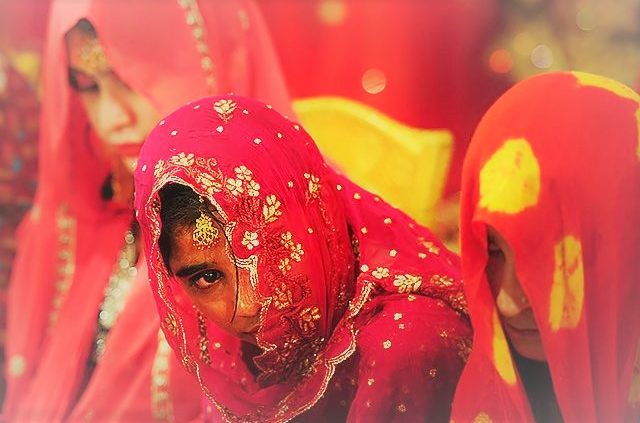
Early marriage, especially among girls under the age of 18, remains a prevalent issue in many parts of the world, particularly in South Asia, Sub-Saharan Africa, and parts of the Middle East. While cultural, religious, and economic factors are often cited as justifications for the practice, the medical consequences of early marriages are severe, long-lasting, and often fatal.
In this blog, we delve into the medical health risks that early marriage imposes, particularly on young brides, and why ending this practice is essential for ensuring a healthier future.
1. Risks of Teenage Pregnancy
The most immediate health concern for child brides is early and often repeated pregnancies. Teenage girls are physically immature and biologically unprepared for childbirth.
-
Obstetric Complications: Girls under 18 face a much higher risk of complications like obstructed labor, fistula, eclampsia, and postpartum hemorrhage.
-
Higher Maternal Mortality: According to the World Health Organization (WHO), pregnancy and childbirth complications are the leading cause of death among girls aged 15-19 globally.
-
Infant Mortality: Babies born to teenage mothers are more likely to be premature, underweight, or die shortly after birth.
2. Reproductive Health Issues
Young girls often face limited or no access to reproductive health education or services, increasing their vulnerability to:
-
Sexually Transmitted Infections (STIs): Including HIV, due to lack of knowledge and inability to negotiate safe sex.
-
Chronic Pelvic Pain and infertility due to untreated infections or complications during childbirth.
-
Irregular Menstrual Cycles and Anemia, due to poor nutrition and early onset of reproductive responsibilities.
3. Mental Health Impacts
The emotional toll of early marriage often goes unnoticed but can be devastating.
-
Depression and Anxiety: Loss of childhood, isolation, abuse, and lack of support contribute heavily.
-
Post-Traumatic Stress Disorder (PTSD): Particularly in cases where marriage involves coercion, abuse, or sexual violence.
-
Suicidal Tendencies: Research shows a correlation between early marriage and increased risk of suicidal ideation in adolescent girls.
4. Increased Risk of Domestic Violence
Girls married at an early age are more likely to face domestic and intimate partner violence. The power imbalance between a young girl and an older husband often leaves her voiceless and vulnerable, compounding her physical and mental health risks.
5. Poor Access to Healthcare
Early-married girls often drop out of school and become dependent on their spouse’s family, where they may not be allowed or able to seek medical help. This results in:
-
Delayed treatment of illnesses
-
Poor antenatal and postnatal care
-
Lack of awareness of personal health and hygiene
Global and Local Impact
In countries like Pakistan, India, Nigeria, and Bangladesh, early marriage remains common, despite laws prohibiting it. According to UNICEF, 12 million girls are married before the age of 18 every year. Most of these young girls are pushed into motherhood, skipping critical years of physical, mental, and emotional development.
What Can Be Done?
-
Enforcing Minimum Legal Marriage Age Laws
-
Investing in Girls’ Education
-
Providing Youth-Friendly Reproductive Healthcare
-
Raising Awareness Through Media and Community Leaders
-
Supporting Empowerment Programs for Girls
by admin | Jun 4, 2025 | Uncategorized
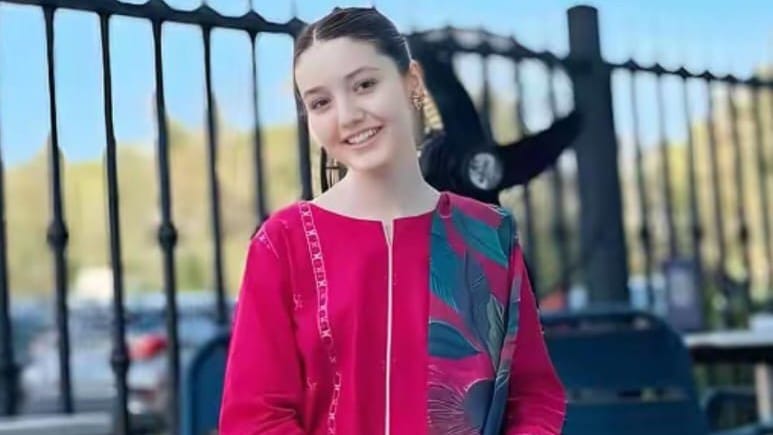
The shocking murder of 17-year-old TikTok influencer Sana Yousaf in Islamabad on June 2, 2025, has left the nation reeling. A young girl full of dreams, creativity, and a growing platform where she spoke boldly on women’s issues, Sana was fatally shot in her home—on her birthday—by a cousin who could not accept her rejection.
This is not just another tragic story. This is a deeply disturbing reflection of the patriarchal violence that continues to claim the lives of women and girls across Pakistan. Sana’s death is being mourned by millions, but mourning is not enough. We must demand accountability, education, and change.
The Pattern of Possession Disguised as Love
Preliminary reports indicate that Sana’s cousin, Umar Hayat, murdered her after repeated romantic advances were rejected. What should have been a simple “no” became a death sentence. This is not love—it is control, entitlement, and a dangerous cultural tolerance for violence against women who assert autonomy over their lives and bodies.
“She repeatedly rejected him, but he could not accept it. So he killed her.”
— The Express Tribune, June 3, 2025
Honor and Ego: Misused Justifications for Violence
While Sana’s family has called for justice, some narratives in media and social circles continue to frame such cases in terms of “honor” or “family matters.” Let us be clear: there is no honor in murder. There is no justification for taking a life because of wounded male ego or rejected affection.
“Another TikTok star killed as Pakistan struggles with ‘honour’-based violence.”
— The Times of India, June 3, 2025
Social Media Doesn’t Protect—It Can Expose
Sana Yousaf had built a following by expressing herself, sharing positive messages, and entertaining thousands. Yet, like many women in public digital spaces, she became a target. As we celebrate young women stepping into leadership and visibility, we must also ensure their safety, online and offline.
“TikTok star Sana Yousaf dies at 17 after being fatally shot.”
— People Magazine, June 3, 2025
White Ribbon Pakistan Stands with Sana
White Ribbon Pakistan mourns the loss of Sana Yousaf and stands in solidarity with her family and the countless women across the country who live under the threat of gender-based violence. We renew our commitment to:
-
Advocate for stronger legal protections against gender-based violence.
-
Educate communities to challenge toxic masculinity and gender norms.
-
Empower men to become allies in the fight for women’s safety and equality.
-
Demand justice for victims and accountability for perpetrators—without excuses.