Types of Abuse

Types of Abuse

Types of Abuse

Types of Abuse

Violence against women (VAW), also known as gender-based violence is fierce acts committed against women and girls that bring physical, sexual, or psychological harm or suffering to women. Violence against women exists at different levels. Following are the forms of violence against women.

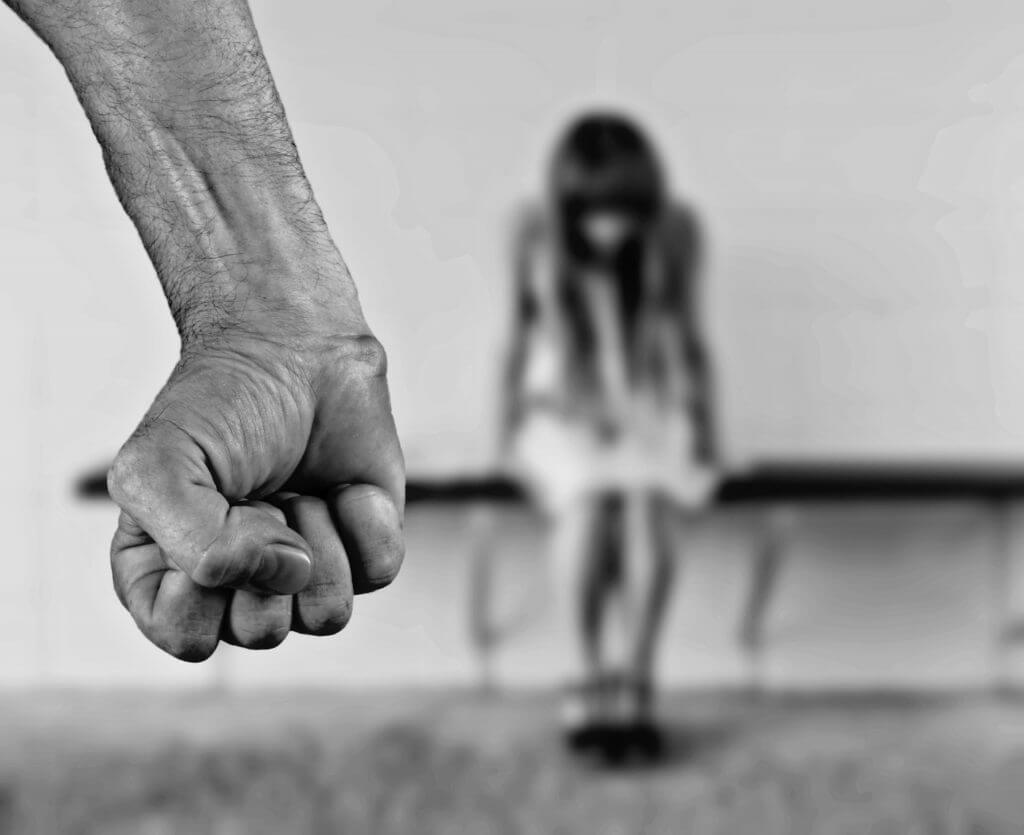
Physical Violence/Abuse

Physical abuse is any intentional act causing injury or trauma to another person or animal by way of bodily contact.

  • Hitting, slapping, punching, kicking
  • Burning
  • Strangulation
  • Spitting or biting
  • Physical restraint e.g. pinning against the wall or bed.
  • Driving dangerously
  • Compelling her to abuse a substance or forced feeding
  • Use of weapons
  • Intentional use of physical force that can cause Death, Disability, Injury, and Harm
Domestic Violence/Abuse

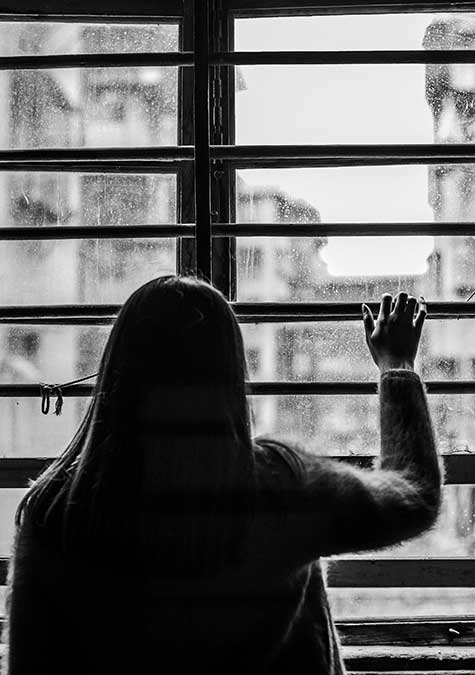
Domestic Violence is a pattern of behavior that involves violence or other abuse by one person against another in a domestic setting. Domestic abuse occurs whenever one person in an intimate relationship or marriage tries to dominate and control the other person. Domestic violence occurs to gain and maintain total control over you. An abuser doesn’t “play fair.” He uses fear, guilt, shame, and intimidation to wear you down and keep you under his thumb. Your abuser may also threaten you, hurt you, or hurt those around you. Domestic Violence occurs within all age ranges, ethnic backgrounds, and economic levels. while women are more commonly victimized, men are also abused—especially verbally and emotionally.

  • Hitting, slapping, punching, kicking
  • Burning
  • Strangulation
  • Spitting or biting
  • Physical restraint e.g. pinning against the wall or bed.
  • Driving dangerously
  • Sleep and food deprivation
  • Refusing medical care and/or controlling medication
  • Reproductive coercion
  • Compelling her to abuse a substance or forced feeding
  • Use of weapons
  • Intentional use of physical force that can cause Death, Disability, Injury and Harm

Sexual Violence/Abuse

Sexual violence is any sexual act or attempt to obtain a sexual act by violence or coercion, acts to traffic a person or acts directed against a person’s sexuality, regardless of the relationship to the victim. It can be in different forms such as Rape, Stripping, Exhibitionism, Sexual photography, Incest, forced prostitution, Trafficking for sexual exploitation, Stalking, Eve-Teasing and Sexual harassment.

  1. Rape/Marital rape
  • Against her will
  • Without her consent
  • When the consent has been obtained by putting her in fear of death or of hurt
  • With or without her consent when she is under 16 years of age

2. Pursuing sexual activity when the victim is not fully conscious or is afraid to say no

3. Hurting partner physically during sex

4. Coercing partner to have sex without protection / sabotaging birth control

5. Stripping

6. Exhibitionism

7. Unwanted touching

8. Unwanted exposure to pornography

9. Sexual photography

10. Incest

11. Forcing a partner to have sex with other people

12. Forced prostitution

13. Trafficking for sexual exploitation
Emotional/Psychological Violence/Abuse

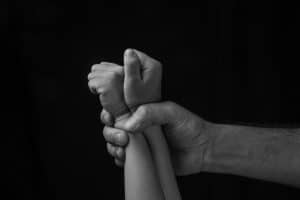
The behavior characterized by a person subjecting, or exposing another person that may result in psychological trauma;

  • Imposing Restrictions on freedom of movement
  • Controlling activities: discourages you from seeing friends or family
  • Name-calling, insulting, Shaming, humiliating even in front of others
  • Blaming for everything
  • Constantly accusing of cheating or else
  • Intimidation/terrorizing: Gets angry in a way that is frightening to you
  • Damaging personal property
  • Causing Isolation
  • Stalking, wants to know what you’re doing all the time be in constant contact
  • The behavior that may result in psychological trauma
  • Harassment online and offline
  • Demands passwordforto things like your phone, email, and social media and shows other signs of digital abuse
  • Threatens to hurt you, people you care about, or pets
  • Threatens to call the authorities to report you for wrongdoing
  • Threatens to harm himself when upset with you
  • Says things like, “If I can’t have you, then no one can”
  • Decides things for you that you should decide (like what to wear or eat)

Economic/Financial Violence/Abuse

Any act or behaviour which causes economic harm to an individual. Economic violence can take the form of, for example, property damage; restricted access to financial resources, education or the labour market, or not complying with economic responsibilities, such as alimony.

  • Take control of all the money and resources
  • Controlling financial assets and effectively putting her on an allowance
  • Damaging her credit score
  • Refusing to give her access to bank accounts
  • Conceal financial information from her
  • Urging or demanding her to quit the job
  • Inflicting physical harm or injury that would prevent her from attending work
  • Stalking or harassing her at work
  • Giving her a set amount of money to spend and no more
  • Constantly questioning purchases, she makes and demanding to see receipts
  • Making financial decisions without consulting her
  • Using her credit card without permission
  • Sell a property that is hers
  • Refusing to work or contribute to household expenses
  • Not paying child support so she can’t afford rent, food, and other needed items
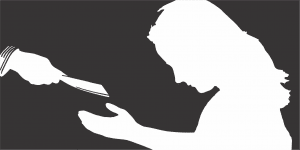
Harassment/sexual harassment/ Stalking online/offline

  • Harassment means any unwelcome sexual advance
  • Request for sexual favors
  • Physical conduct of a sexual nature
  • Sexually demeaning attitudes
  • Harassment and sexual harassment at the work-place
  • Stalking
  • Eve-Teasing, Whistling or catcalling
  • Obscene verbal or written communication
  • Physical conduct of a sexual nature
  • Harass, bully and torture online through social media
  • Making comments about your clothing, body, behavior, or romantic relationships
  • Making sexual jokes or comments
  • Repeatedly asking you out on a date after you have said no
  • Requesting sexual photos or videos of you
  • Threatening you for saying no to a sexual request
  • Spreading rumors about your personal or sexual life
  • Sending online links or photos with explicit or graphic sexual content

Honor Crime

The homicide of a member of a family or social group due to the belief that the victim has brought dishonor upon the family or the community.
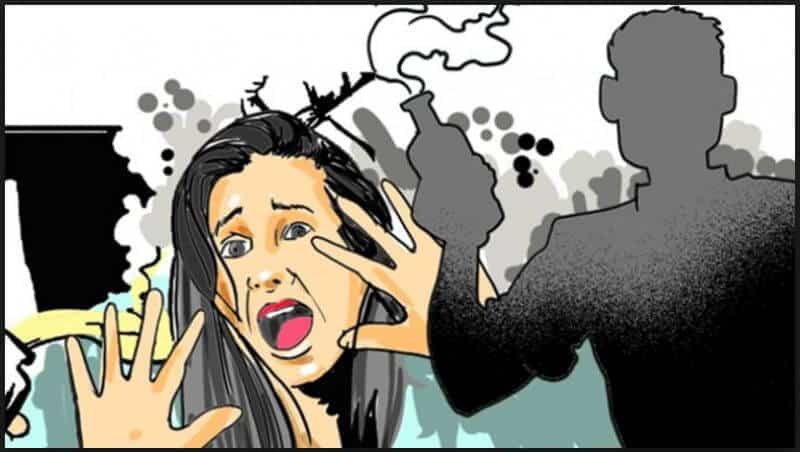
Acid throwing

The act of throwing acid or a corrosive substance onto the body of another intentionally.
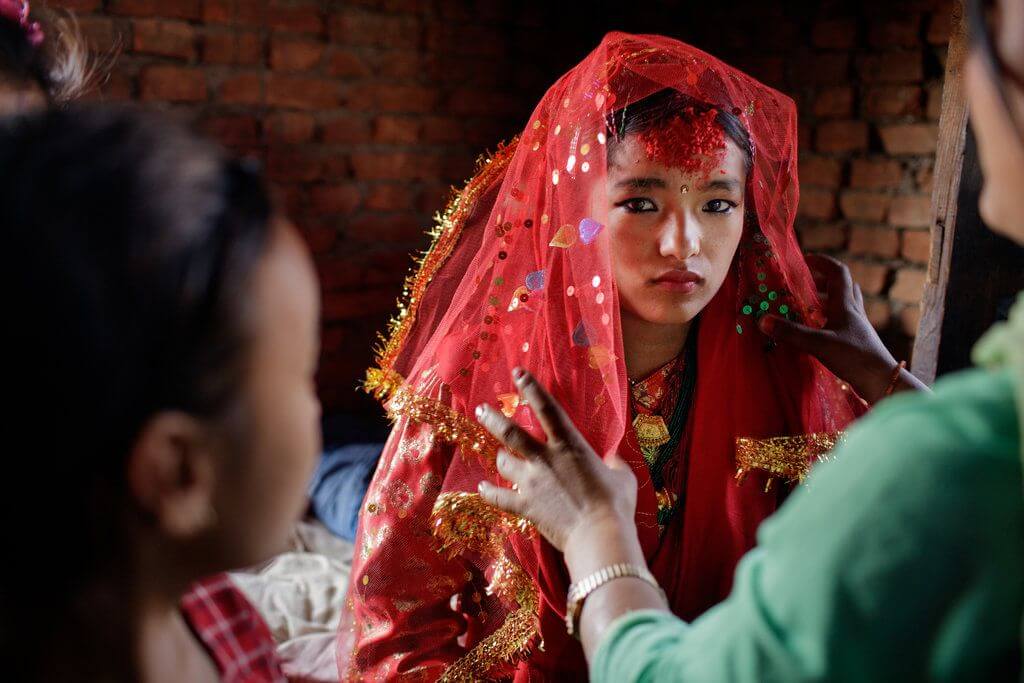
Forced marriage

Forcing a girl to marry without her consent or against her will.

Child marriage

Marriage of a girl before reaching the age of 16.

Anti-woman cultural practices

  • Denial of medical care
  • Giving females in marriage or otherwise in Badl-e-Sulah,
  • Practice of Wanni, where in young girls are forcibly married, as part of the punishment for a crime committed by their male relatives.
  • Practice of Swara, where young girls are forcibly married to members of clans to resolve any feuds
  • Marriage with Holy Qura’an

Signs of Violence

Signs of Violence

Signs of Violence

Signs of Violence

Recognizing the Signs of Abuse: A Guide to Early Intervention

Abuse is not always physical; it is a systematic pattern of behaviors used to gain or maintain power and control over an intimate partner. Recognizing the early warning signs often referred to as “red flags” is the first step toward seeking safety and support.

  1. Emotional and Psychological Red Flags

Abusers often begin by undermining a partner’s self-esteem to make them easier to control. Look for these behaviors:

  • Persistent Monitoring: Constantly checking your phone, emails, or social media without permission.
  • Extreme Jealousy: Accusing you of infidelity or flirting without cause, often isolating you from friends and male colleagues.
  • Gaslighting: Denying that abusive events occurred or manipulating you into doubting your own perceptions and memories.
  • Public Humiliation: Consistently belittling, insulting, or mocking you in front of family, friends, or strangers.

  1. Behavioral Control and Isolation

Control often manifests as a gradual restriction of your personal freedom and autonomy:

  • Social Isolation: Pressuring you to stop seeing your family or friends, or making it difficult for you to maintain a job or education.
  • Financial Abuse: Controlling all household finances, restricting your access to money, or preventing you from working to ensure total dependency.
  • Unpredictable Temper: Living “on eggshells” due to sudden outbursts of anger or “the silent treatment” used as a form of punishment.
  1. Physical and Sexual Boundary Violations

Physical violence often escalates over time. Any of the following are severe indicators of danger:

  • Intimidation and Threats: Using looks, actions, or loud voices to scare you, or threatening to hurt themselves, you, your children, or your pets if you leave.
  • Destruction of Property: Breaking your personal belongings, punching walls, or throwing objects during an argument.
  • Physical Force: Any instance of pushing, slapping, restraining, or hitting, even if the partner later claims it was an “accident” or “out of character.”
  • Sexual Coercion: Forcing or manipulating you into sexual acts against your will, or disregarding your boundaries regarding reproductive health.

The Importance of Trusting Your Instincts

If you feel like something is “off” in your relationship, or if you find yourself constantly changing your behavior to avoid a partner’s anger, these are significant indicators of an unhealthy dynamic.

You are not responsible for your partner’s behavior, and you are not alone.

Rationale of Abusive Behavior

Rationale of Abusive Behavior

Rationale of Abusive Behavior

Rationale of Abusive Behavior

Abusers are often adept at rationalizing the inexcusable, employing a range of psychological tactics to deflect accountability. They frequently attribute their violent or coercive behavior to external stressors such as a difficult childhood or professional pressures or, more maliciously, to the actions of the survivor. By framing their loss of control as an inevitable reaction to the survivor’s behavior, the perpetrator shifts the burden of guilt, forcing the individual to believe they are responsible for their own maltreatment.

To maintain dominance, abusers systematically erode a survivor’s self-esteem through persistent belittling and gaslighting. Tactics often include minimizing the severity of the abuse, denying that it occurred, or “reactivity baiting” deliberately provoking a survivor to elicit a visible emotional response, which is then used as false evidence of the survivor’s “instability.” This calculated destruction of self-worth is designed to make the survivor feel defective or unwanted, fostering a sense of isolation where abuse is accepted as an inescapable fate. Recognizing that perpetrators who justify their actions are at a significantly higher risk of re-offending is critical for assessing long-term safety.

Public Private Partnership

Public Private Partnership

Public Private Partnership

Public Private Partnership

White Ribbon Pakistan operates on a strategic Public-Private-Social Partnership (PPSP) model, recognizing the state as the primary authority responsible for national social development. By creating an enabling environment and providing the necessary policy framework, the government allows social development organizations like ours to implement high-impact agendas more economically, efficiently, and effectively at the grassroots level. Since our inception, this collaborative approach has been the cornerstone of our interventions, ensuring that women’s rights are integrated into the national development fabric through scalable and sustainable programs.

A key pillar of this model is our formal partnership with the National Commission on the Status of Women (NCSW). As the premier government body mandated to review and analyze laws and policies affecting gender equity, the NCSW provides the research and dialogue necessary to formulate legislative recommendations. Through this alliance, White Ribbon Pakistan bridges the gap between high-level policy formulation and community-level execution. Together, we work to ensure that legal protections are not just written into the statutes but are actively enforced and understood by the citizens they are designed to protect.

Pledge Campaign

Pledge Campaign

Pledge Campaign

Pledge Campaign

The Pledge Campaign is the signature mobilization initiative of White Ribbon Pakistan, serving as a powerful public commitment to ending violence against women and girls. Based on the global “White Ribbon” movement, this campaign specifically targets men and boys, inviting them to take a personal and collective stand against domestic abuse, harassment, and harmful cultural practices. By taking the pledge, participants transition from silent bystanders to active allies, creating a national culture of accountability and respect.

The National Oath

The core of the campaign is a simple yet profound promise:

“I swear never to commit, excuse, or remain silent about violence against women and girls.”

How the Campaign Drives Change

    • Individual Accountability: The pledge encourages men to reflect on their own behaviors and attitudes, fostering Positive Masculinity within their families and social circles.
    • Corporate and Institutional Integration: We partner with leading organizations in Pakistan to conduct “Mass Pledge Ceremonies,” ensuring that the workforce adheres to a zero-tolerance policy toward harassment and discrimination.
    • Digital Advocacy: Through the #WhiteRibbonPledge hashtag, we amplify the voices of thousands of men across Pakistan, using social media to challenge toxic narratives and promote gender equity.
    • Youth Engagement: By bringing the pledge to schools and universities, we ensure the next generation of Pakistani leaders is committed to a violence-free society from the outset.

Take Action Today

Taking the pledge is the first step toward systemic reform. Whether you are a CEO, a student, or a community leader, your public commitment helps lower Pakistan’s standing on the Global Gender Gap Index and builds a safer future for every woman.

Observing White Ribbon Day

Observing White Ribbon Day

Observing White Ribbon Day

Observing White Ribbon Day

White Ribbon Day, observed annually on November 25th, marks the start of the 16 Days of Activism against Gender-Based Violence. In Pakistan, White Ribbon leverages this global milestone to unite men and boys in a national pledge to end violence against women. The observance serves as a high-visibility platform for corporate partners, government officials, and civil society to demonstrate their commitment through synchronized awareness walks, provincial seminars, and digital advocacy campaigns. By wearing the white ribbon, participants signal their personal oath to never commit, excuse, or remain silent about violence, transforming a symbolic gesture into a nationwide movement for systemic change.

To ensure the message reaches every corner of the country, White Ribbon Pakistan coordinates with educational institutions and media houses to host special broadcasts and “Youth for Change” forums during the observance period. These events focus on the intersection of legal rights and social responsibility, highlighting the latest legislative updates and survivor support services. The day culminates in the National White Ribbon Pledge, where thousands of men across diverse sectors publicly commit to fostering a culture of respect and equality. This collective action not only honors survivors but also sets a clear mandate for the upcoming year’s advocacy and policy goals.

Men Engagement

Men Engagement

Men Engagement

Men Engagement

Men as Partners in Change: Redefining Masculinity for a Violence-Free Pakistan

Ending violence against women (VAW) requires more than the absence of violence in a man’s personal life; it demands active participation in dismantling the cultural norms that perpetuate abuse. White Ribbon Pakistan views men not as part of the problem, but as a critical part of the solution.

  1. The Power of Positive Masculinity

For generations, traditional models of masculinity often equated “manhood” with dominance, emotional restraint, and control. Modern research shows that these rigid gender roles are harmful to both men and women. By embracing Positive Masculinity, men can:

    • Challenge Toxic Norms: Speak out against “locker room talk,” sexist jokes, and the objectification of women.
    • Model Emotional Intelligence: Break the cycle of aggression by teaching younger generations that strength is found in empathy, respect, and communication.
    • Foster Equality: Share domestic responsibilities and decision-making power within the home.
  1. Fatherhood as a Catalyst for Social Change

Fatherhood is one of the most transformational experiences for men. An involved, non-violent father is a primary protector against the cycle of abuse.

    • Impact on Children: Recent studies (2020–2024) confirm that children with actively involved fathers demonstrate higher social-emotional intelligence, better academic performance, and—most importantly—are more likely to form healthy, respectful relationships as adults.
    • Biological Benefits: Engaging in nurturing care triggers oxytocin (the “bonding hormone”) and reduces cortisol, helping men manage stress and reduce aggressive impulses naturally.
  1. Workplace and Community Allyship

Men occupy the majority of leadership roles in Pakistan’s corporate and community sectors. This positions them as powerful allies in the professional sphere:

    • Zero-Tolerance Policies: Male leaders must champion and enforce strict workplace harassment policies.
    • Mentorship: Supporting and mentoring female colleagues ensures a balanced power dynamic in professional environments.
    • Community Advocacy: Men speaking to other men is the most effective way to change deeply ingrained cultural attitudes toward women’s rights and safety.
  1. Why Men Should Join the Movement

Violence against women is a societal crisis that affects the economy, public health, and the future of our children. When men engage in this movement:

    • Families are Safer: Domestic stability increases when conflict is resolved through dialogue rather than dominance.
    • Society Prospers: A society where women are safe to work and study is a society that achieves its full economic potential.
    • Men are Liberated: Moving away from aggressive stereotypes allows men to live more authentic, less stressful, and more connected lives.

Media for Change

Media for Change

Media for Change

Media for Change

Recognizing the immense influence of print, electronic, and digital media, White Ribbon Pakistan has strategically engaged a nationwide network of journalists to reshape the narrative around gender-based violence. Central to this initiative is our Media Resource Centre, a specialized hub that provides journalists with data, research tools, and expert insights to produce high-impact features, investigative videos, and editorial pieces. Complementing this resource is our intensive training module on Gender-Sensitive Reporting, which equips media professionals with the ethical framework and vocabulary necessary to report on vulnerable populations without reinforcing harmful stereotypes.

To ensure these efforts are sustainable, we have established the White Ribbon Media Alumni Network. This collective of trained professionals serves as a persistent advocacy group within major newsrooms, consistently mainstreaming women’s rights and social justice through their reporting. A landmark achievement of this network was the launch and endorsement of the National Code of Ethics for Gender-Sensitive Reporting. This framework—endorsed by hundreds of journalists—sets rigorous standards for mainstreaming gender in media coverage, ensuring accountability, eliminating gender stereotyping, and providing a dignified roadmap for the coverage of gender-based violence.

To maintain momentum and institutionalize excellence, White Ribbon hosts the National Conference on Gender and Media, where the implementation of the Code of Ethics is periodically assessed. A core highlight of our media engagement is the White Ribbon Media Awards, which celebrate outstanding journalistic contributions across Print, Broadcast, Digital, and Photojournalism. By incentivizing high-quality, ethical storytelling, we are successfully transforming the media from a mirror of societal biases into a powerful catalyst for gender equity and social reform.

Legal Awareness Programme

Legal Awareness Programme

Legal Awareness Programme

Legal Awareness Programme

The Legal Awareness Programme is designed to bridge the gap between Pakistan’s evolving legislative framework and its practical application on the ground. By educating the public on their constitutional rights and the specific protections offered by the Anti-Rape (Investigation and Trial) Act, 2021 and the Protection Against Harassment of Women at the Workplace (Amendment) Act, 2022, the program empowers survivors to navigate the justice system with confidence. This initiative focuses on demystifying the process of filing an FIR, understanding the role of specialized Anti-Rape Crisis Cells, and utilizing “one-window” services at Violence Against Women Centers (VAWCs) to ensure that legal remedies are accessible, timely, and survivor-centric.

Beyond individual empowerment, the program actively engages with law enforcement and the judiciary to foster a more gender-sensitive legal environment. Through specialized training and advocacy, White Ribbon Pakistan works to eliminate systemic barriers such as the now-prohibited “two-finger test”and ensures that the privacy and dignity of survivors are maintained throughout the trial process. By shifting the focus toward a “Zero Tolerance” policy within the courts and police stations, the Legal Awareness Programme aims to increase conviction rates and ensure that the law acts as a true deterrent against gender-based violence.

Laws & Remedies

Laws & Remedies

Laws & Remedies

Laws & Remedies

Physical Violence
Physical abuse is any intentional act causing injury or trauma to another person or animal by way of bodily contact.

Applicable Laws:

332-337-L, (Hurt), Pakistan Penal Code, 1860

How to Avail Remedy:

  • Consultation with authorized medical officer
  • File an FIR with the local police station
  • File a petition to the court

Punishments:

  • Qisas (Punishment under Hudood Laws)
  • Payment of Arsh, Diyat
  • Imprisonment extending to 14 years or less
  • Maximum fine of Rs.1,000,000
Domestic violence

Domestic violence is recognized as a violation of fundamental human rights. Pakistan’s legal system provides protection through a combination of federal statutes and specialized provincial acts, which now explicitly criminalize physical, emotional, psychological, sexual, and economic abuse.

Applicable Laws & Recent Updates

  • Federal (ICT): The Domestic Violence (Prevention and Protection) Act, 2025 provides a comprehensive framework for the Islamabad Capital Territory, setting a high standard for protection and rehabilitation.
  • Punjab: The Punjab Protection of Women against Violence Act, 2016. Recent 2024/2026 proposals aim to make domestic violence a non-bailable and cognizable offence with fines increased up to Rs 1 million.
  • Sindh: The Sindh Domestic Violence (Prevention and Protection) Act, 2013.
  • Balochistan: The Balochistan Domestic Violence (Prevention and Protection) Act, 2014.
  • Khyber Pakhtunkhwa: The Khyber Pakhtunkhwa Domestic Violence (Prevention and Protection) Act, 2021.

How to Avail Legal Remedy

Survivors have multiple avenues for immediate and long-term redress:

  1. Reporting to Law Enforcement: File a First Information Report (FIR) at the local police station or through specialized women’s police stations (e.g., the Virtual Women Police Station in Punjab).
  2. Judicial Petitions: File a petition in the Court of the First Class Magistrate. Under new 2025/2026 protocols, the court is mandated to fix the first hearing within 7 days and resolve the case within 90 days.
  3. Seeking Court Orders:
    • Protection Order: Prohibits the respondent from committing further acts of violence or communicating with the aggrieved person.
    • Residence Order: Ensures the survivor is not evicted from the shared household, regardless of ownership, and may require the abuser to vacate the premises.
    • Monetary Order: Mandates financial support for medical expenses, loss of earnings, and maintenance for the survivor and children.

Punishments and Penalties

The legal consequences for domestic violence are dual-layered:

  • Specific Acts: Offences involving physical injury (Grievous Hurt), assault, or criminal force are punished under the Pakistan Penal Code (PPC) 1860 (Sections 332–337).
  • Statutory Penalties: For acts not specifically covered by the PPC (such as psychological or economic abuse), the 2025/2026 frameworks prescribe imprisonment ranging from 6 months to 3 years and fines up to Rs 100,000, a portion of which is paid directly to the survivor as compensation.

Breach of Orders: Violating a court-issued Protection Order is a serious offence, punishable by up to 1 year of imprisonment and heavy fines.

Sexual Violence

The legal landscape regarding sexual violence in Pakistan has undergone significant transformation with the Anti-Rape (Investigation and Trial) Act, 2021 and the Criminal Law (Amendment) Act, 2021, which introduced specialized infrastructure for survivors.

Defining Sexual Violence

Sexual violence encompasses any sexual act, attempt to obtain a sexual act, or actions directed against a person’s sexuality using coercion or force, regardless of the relationship to the survivor.

Recognized Forms:

  • Rape and Gang Rape: Including “Aggravated Rape” involving minors or persons with disabilities.
  • Sexual Harassment & Eve-Teasing: Unwelcome advances in public, private, or digital spaces.
  • Criminal Force & Stripping: Assaulting a woman or stripping her in public to outrage her modesty.
  • Trafficking & Forced Prostitution: Exploitation for commercial sexual purposes.
  • Stalking & Sexual Photography: Non-consensual recording or persistent harassment.

The Legal Definition of Rape (PPC Section 375)

Under Pakistani law, rape is committed when sexual intercourse occurs with a woman under the following circumstances:

  1. Against her will or without her consent.
  2. When consent is obtained by putting her in fear of death or hurt.
  3. With or without consent when she is under 16 years of age (Statutory Rape).
  4. When consent is given under the mistaken belief that the man is her husband.

Applicable Laws (Updated 2021–2026 Framework)

  • Anti-Rape (Investigation and Trial) Act, 2021: Established Special Courts and Anti-Rape Crisis Cells for expedited trials (within 4 months).
  • Criminal Law (Amendment) Act, 2021: Amended Sections 375 and 376 of the PPC to strengthen penalties and prohibit the controversial “Two-Finger Test” (Virginity Testing).
  • Pakistan Penal Code (PPC), 1860:
    • Section 376: Punishment for Rape.
    • Section 354 & 354-A: Assault or use of criminal force to a woman and stripping her in public.
    • Section 509: Sexual harassment in public places or offices.
  • Prevention of Trafficking in Persons Act, 2018: Replaced the 2002 Ordinance to better address modern trafficking for sexual exploitation.
  • Torture and Custodial Death (Prevention and Punishment) Act, 2022: Specifically addresses and penalizes custodial rape by law enforcement.

How to Avail Remedy & The Trial Process

  1. Anti-Rape Crisis Cells (ARCC): Under the 2021 Act, survivors should ideally be shifted to an ARCC within 6 hours for a medical exam and FIR filing in a safe environment.
  2. Filing an FIR: Report to the local police station or a Women’s Police Station.
  3. Medical Examination: Must be conducted by an authorized medical officer within 24 hours. The “Two-Finger Test” is now strictly illegal.
  4. Special Courts: Trials for rape and gang rape are conducted in Special Courts to ensure privacy and protection of the survivor’s identity.
  5. Anti-Terrorism Courts (ATC): Cases involving “Naked Triumph” (public stripping) or rape coupled with terrorism-like motives may still be referred to ATCs.

Updated Punishments

  • Rape (Sec 376): Death or imprisonment for life (not less than 10 years, extending to 25 years) and a heavy fine.
  • Gang Rape: Death or imprisonment for life.
  • Sexual Abuse of a Minor (Sec 377-A/B): Imprisonment for life (minimum 14 years) or death, with fines up to Rs. 1 million.
  • Public Stripping (Sec 354-A): Death or imprisonment for life.
  • Sexual Harassment (Sec 509): Imprisonment up to 3 years and/or a fine up to Rs. 500,000.

Human Trafficking for Prostitution: Imprisonment up to 10 years (can extend to 14 years) and heavy fines.

Sexual Harassment at Workplace

The legal framework for workplace harassment in Pakistan has been significantly strengthened by the Protection against Harassment of Women at the Workplace (Amendment) Act, 2022. Defining Workplace Harassment

Harassment constitutes any unwelcome sexual advance, request for sexual favors, or other verbal, written, or physical conduct of a sexual nature. It also includes “sexually demeaning attitudes” that create an intimidating, hostile, or offensive work environment or interfere with an individual’s work performance.

Applicable Laws (Updated 2022–2026)

  • The Protection against Harassment of Women at the Workplace Act, 2010 (Amended 2022): The primary civil law governing professional conduct and employer responsibility.
  • Section 509, Pakistan Penal Code (PPC), 1860: The criminal statute addressing the insulting of modesty or causing sexual harassment in any space, including workplaces.
  • Provincial Amendments: Various provinces have adopted the 2022 federal improvements to ensure consistent enforcement across Pakistan.

How to Avail Remedy

Under the law, every organization is mandated to have a visible Code of Conduct and a clear reporting mechanism. Survivors can pursue two primary paths:

  1. Internal Inquiry Committee: Every organization (public or private) must constitute a three-member standing committee (with at least one woman). A written complaint can be submitted directly to this committee.
  2. The Ombudsman: If a survivor is unsatisfied with the Internal Committee’s decision, or prefers to bypass it, they can file a complaint directly with the Provincial or Federal Ombudsman (Mohtasib). This applies to both government and private sector employees.
  3. Criminal Prosecution: A complaint can also be filed with the police under Section 509 of the PPC for criminal proceedings.

Penalties and Punishments

The law distinguishes between administrative “Minor” and “Major” penalties, as well as criminal sentences.

Administrative Penalties (Workplace Act):

  • Minor Penalties:
    • Censure: Official formal reprimand.
    • Withholding: Delaying promotion or increments for a specific period.
    • Stoppage: Halting professional advancement at a specific pay scale.
    • Fine: Financial compensation paid directly to the survivor.
  • Major Penalties:
    • Reduction: Demotion to a lower post or pay grade.
    • Compulsory Retirement: Forced exit from the organization.
    • Removal/Dismissal: Termination of service; dismissal typically carries a permanent bar from future government employment.

Criminal Penalties (Section 509, PPC):

  • Imprisonment for a term which may extend to 3 years, a fine of up to Rs. 500,000, or both.

Employer Responsibility

It is a legal requirement for employers to display the Code of Conduct prominently in the workplace. Failure to constitute an Inquiry Committee can lead to the employer being fined up to Rs. 100,000 by the Ombudsman.

Emotional and Psychological Abuse

Emotional abuse involves a pattern of behavior designed to isolate, intimidate, or diminish a person’s self-worth, leading to significant psychological trauma. Under Pakistani law, this is now recognized as a distinct and actionable form of violence.

Key Legal Provisions

  • The Punjab Protection of Women against Violence Act (PPWVA), 2016: Explicitly defines “psychological abuse” and “economic abuse” as punishable offenses.
  • Provincial Domestic Violence Acts (Sindh, Balochistan, KP): These statutes recognize emotional harm and stalking as grounds for legal intervention.
  • The Prevention of Electronic Crimes Act (PECA), 2016: Protects against psychological trauma caused by digital harassment, blackmail, or non-consensual sharing of images.

How to Seek Redress

Survivors can approach a Magistrate or Family Court to obtain specific civil orders without necessarily filing a criminal case:

  • Protection Order: Legally prohibits the abuser from communicating with or approaching the survivor.
  • Residence Order: Ensures the survivor can stay in the shared household or mandates the abuser to provide alternative safe housing.
  • Monetary Order: Requires the abuser to pay for medical expenses, psychological counseling, and financial maintenance.

Reporting Channels

  • Violence Against Women Centers (VAWCs): Access “one-window” facilities for police, medical, and legal help.

Helplines: Contact the Punjab Women’s Helpline (1043) or the National Police Helpline (15) for immediate assistance.

Economic Violence and Abuse

Economic violence is any behavior that causes financial harm, including property damage, restricting access to education or the labor market, and failing to meet financial responsibilities like maintenance (alimony).

Key Applicable Laws

  • The Punjab Protection of Women against Violence Act (PPWVA), 2016: Specifically criminalizes “economic abuse” and provides for protection and monetary orders.
  • Section 498-A, Pakistan Penal Code (PPC): Penalizes depriving a woman of her inheritance or property rights through deceitful or illegal means.
  • Muslim Family Laws Ordinance, 1961 (Section 9): Provides a mechanism for wives to claim maintenance through the Union Council/Arbitration Council.
  • Family Courts Act, 1964: The primary forum for filing suits related to maintenance, dower, and recovery of personal property.
  • Punjab Land Revenue (Amendment) Act, 2015: Ensures women’s names are correctly recorded in land mutations to prevent fraudulent transfers.
  • Women in Distress and Detention Fund Act, 1996: Provides financial and legal assistance to women in need.

Legal Remedies & Procedures

  1. Family Court Suit: File for recovery of maintenance, dower, or personal belongings (dowry articles).
  2. Magistrate/Civil Court: Obtain a Monetary Order under the PPWVA to recover losses incurred due to economic abuse.
  3. Revenue Department: File a complaint with the Tehsildar or Ombudsman if inheritance rights are being blocked.
  4. Criminal FIR: File under Section 498-A if property is being forcibly or fraudulently withheld.

Key Punishments

  • Depriving Inheritance (Sec 498-A PPC): Imprisonment for 5 to 10 years and a fine of up to Rs. 1 million.

Breach of Monetary Order: Failure to comply with a court-ordered payment can lead to imprisonment and the attachment of the abuser’s property or income.

Cyberbullying & Digital Violence

Cyberbullying involves using digital platforms to harass, intimidate, or blackmail individuals. This includes the non-consensual sharing of intimate images, stalking, and identity theft.

  • Key Laws: Prevention of Electronic Crimes Act (PECA), 2016: The primary legislation addressing online harassment.
    • Section 21 (Modesty): Penalizes the display or distribution of photos/videos of a person without consent.
    • Section 24 (Cyberstalking): Criminalizes persistent unwanted communication.
  • Remedy: File a complaint with the FIA Cybercrime Wing (via their website or helpdesk) or use the Punjab Women’s Helpline (1043).
  • Punishment: Imprisonment up to 5 years and/or fines up to Rs. 5 million, depending on the severity of the digital intrusion.
Honor Crimes (Karo-Kari)

Violence committed under the pretext of “honor” remains a severe criminal offense. Under modern laws, the loophole of “pardon” by family members has been significantly restricted.

  • Key Laws: Anti-Honor Killing Law (Criminal Laws Amendment Act), 2016: Mandates strict punishment even if the victim’s family pardons the perpetrator.
    • Section 302, PPC: Treats honor killing as intentional murder (Qatl-i-Amd).
  • Remedy: File a mandatory FIR at the local police station. These cases are non-compoundable, meaning the state pursues the criminal regardless of family pressure.
  • Punishment: Life imprisonment is the mandatory minimum sentence for killings committed in the name of honor, with the possibility of the death penalty.

Acid Throwing & Burn Crimes

Acid attacks are premeditated acts of violence intended to disfigure or kill, often targeting women and girls.

  • Key Laws: Criminal Law (Second Amendment) Act, 2011: Integrated acid crimes into the Pakistan Penal Code.
    • Sections 336-A & 336-B, PPC: Specifically address “Hurt Caused by Corrosive Substance.”
  • Remedy: Immediate medical reporting and filing of an FIR. The Acid Survivors Foundation (ASF) and government-run Burn Centers provide specialized support.
  • Punishment: Minimum of 14 years to life imprisonment and a mandatory fine of Rs. 1 million.
Acid Throwing & Burn Crimes

Acid attacks are premeditated acts of violence intended to disfigure or kill, often targeting women and girls.

  • Key Laws: Criminal Law (Second Amendment) Act, 2011: Integrated acid crimes into the Pakistan Penal Code.
    • Sections 336-A & 336-B, PPC: Specifically address “Hurt Caused by Corrosive Substance.”
  • Remedy: Immediate medical reporting and filing of an FIR. The Acid Survivors Foundation (ASF) and government-run Burn Centers provide specialized support.
  • Punishment: Minimum of 14 years to life imprisonment and a mandatory fine of Rs. 1 million.
Child Marriage

Child marriage is a violation of human rights that compromises the health and education of young girls.

  • Key Laws: Child Marriage Restraint Act, 1929: (Applicable in ICT and Balochistan).
    • Sindh Child Marriage Restraint Act, 2013: Raised the legal age to 18 for both genders.
    • Punjab Child Marriage Restraint (Amendment) Act, 2015: Increased penalties for those performing or facilitating the marriage of minors.
  • Remedy: Report to the local Union Council, the police (15), or the Child Protection & Welfare Bureau.
  • Punishment: Imprisonment up to 2 years and fines. In Sindh, the marriage is considered void, and all adults involved (including the groom and cleric) are liable for arrest.
Forced Marriage

Forcing a woman into marriage against her will often for the purpose of settling disputes or financial gain is a criminal act.

  • Key Laws: Prevention of Anti-Women Practices Act, 2011: Criminalizes forced marriages.
    • Section 498-B, PPC: Specifically prohibits forcing a woman into marriage.
  • Remedy: Filing an FIR under the PPC. The victim can also seek “Khula” or an annulment through the Family Courts Act, 1964.
  • Punishment: Imprisonment for 3 to 10 years and a fine of Rs. 500,000.
Anti-women Cultural Practices

This category covers harmful traditions such as Wanni, Swara (giving women to settle feuds), and Marriage to the Quran.

  • Key Laws: Prevention of Anti-Women Practices Act, 2011: Criminalizes these specific customary practices.
    • Section 498-C, PPC: Specifically prohibits the “Marriage to the Holy Quran.”
  • Remedy: Immediate intervention through the Police or District Administration. These practices are cognizable offenses, allowing police to arrest without a warrant.
  • Punishment: * Wanni/Swara: 3 to 10 years imprisonment and a Rs. 500,000 fine.
    • Marriage to Quran: 3 to 7 years imprisonment and a fine up to Rs. 500,000.