by admin | Sep 9, 2025 | home, Uncategorized
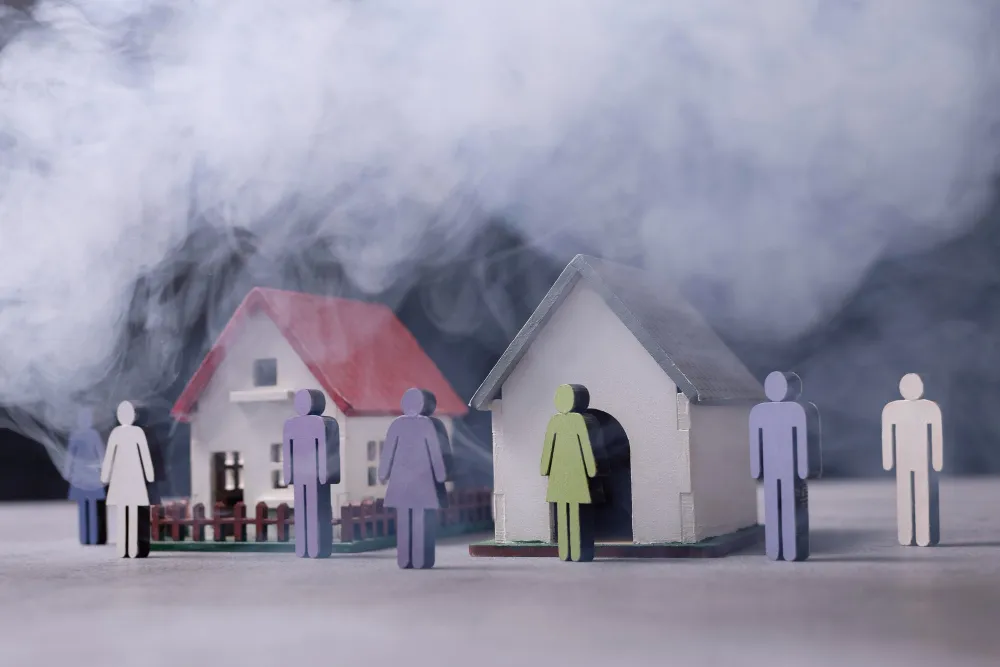
Violence against women remains one of the most pressing human rights issues in Pakistan and around the world. Survivors of domestic abuse, harassment, or any form of violence often face not only physical harm but also deep psychological scars and social stigma. In such critical moments, helplines and safe houses act as lifelines — offering survivors immediate assistance, protection, and hope. But the question is: How effective are these support systems in reality?
The Role of Helplines
Helplines are often the first point of contact for survivors seeking help. They provide:
-
Immediate Support: A safe, confidential space where women can share their experience without judgment.
-
Guidance: Information about legal rights, medical care, and shelter options.
-
Emergency Response: Connecting survivors with police, lawyers, or safe houses.
However, challenges such as limited awareness, accessibility in rural areas, and lack of trained staff reduce their effectiveness. Many women still hesitate to call due to fear of exposure or mistrust in the system.
The Importance of Safe Houses
Safe houses are shelters designed to provide temporary refuge to women escaping abusive situations. They offer:
-
Safety from Abusers: A confidential location where survivors can live without fear.
-
Basic Needs: Food, healthcare, and emotional counseling.
-
Rehabilitation: Legal support, vocational training, and reintegration programs to help women rebuild their lives.
Despite their importance, safe houses in Pakistan are few and far between. Many face funding shortages, lack of proper facilities, or even social backlash from communities that view them as “breaking families.”
The Gaps That Need Addressing
While helplines and safe houses are critical tools, their effectiveness is often limited by systemic barriers:
-
Insufficient awareness campaigns
-
Lack of coordination between police, NGOs, and government bodies
-
Stigma attached to women seeking refuge outside their homes
-
Inadequate funding and infrastructure
The Way Forward
To make helplines and safe houses more effective, Pakistan needs:
-
Increased Funding & Expansion – More shelters and trained staff in urban and rural areas.
-
Awareness Campaigns – So every woman knows where to call and where to go in an emergency.
-
Strong Legal Backing – Ensuring survivors are not forced back to abusers.
-
Community Support – Changing cultural narratives that blame survivors instead of protecting them.
by admin | May 23, 2025 | home, Physical Violence
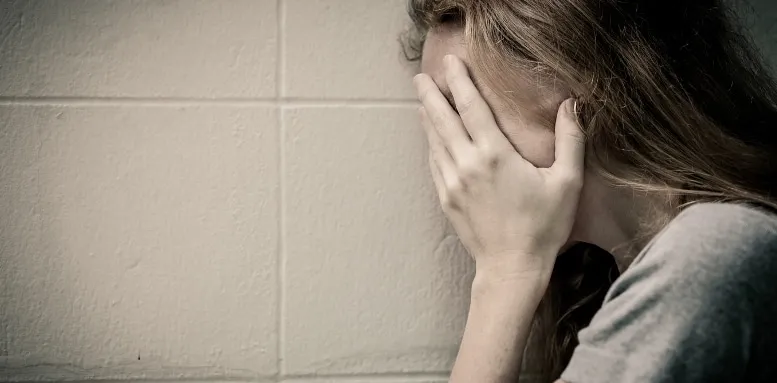
Despite the progress humanity has made in science, technology, and education, one of the darkest and most enduring problems continues to persist across cultures and borders — physical violence against women.
Every day, in homes, streets, and workplaces, women face violence not because of anything they’ve done — but simply because they are women. This is not just a women’s issue; it is a human rights crisis that demands our collective attention and action.
What Is Physical Violence Against Women?
Physical violence includes any act that causes bodily harm or physical pain. It ranges from slapping, hitting, kicking, and choking, to the use of weapons. It also includes more subtle forms of abuse like restraining movement, forcefully grabbing, or pushing — often minimized by perpetrators and society alike.
But make no mistake: violence is violence, no matter the scale.
The Alarming Reality
-
According to the World Health Organization, 1 in 3 women globally experience physical or sexual violence in their lifetime.
-
In many societies, women face violence from someone they know — often from an intimate partner or family member.
-
A large number of cases go unreported, as women fear stigma, retaliation, or being blamed.
Behind every statistic is a woman whose life is impacted — mentally, emotionally, and physically.
The Cost of Silence
When physical violence is tolerated, excused, or ignored, we don’t just fail individual women — we fail entire communities. The effects are far-reaching:
-
Mental Health Issues: Anxiety, depression, PTSD, and suicidal thoughts are common outcomes.
-
Broken Families: Children growing up in violent homes are deeply affected, often perpetuating a cycle of abuse.
-
Economic Impact: Survivors may lose jobs or drop out of education due to physical injuries or trauma.
The Cultural and Structural Enablers
Too often, violence is fueled by toxic cultural beliefs:
These mindsets, combined with weak legal protections, poor law enforcement, and lack of safe reporting channels, make it difficult for women to seek justice.
Our Role in Ending Physical Violence
We all have a role to play. Ending violence against women isn’t just about punishing perpetrators — it’s about changing mindsets, institutions, and everyday behaviors.
What Can You Do?
Speak Up: Challenge jokes, comments, or traditions that normalize violence.
Educate Others: Raise awareness in your community, school, or workplace.
Support Survivors: Listen, believe, and stand by women who come forward.
Advocate for Laws: Push for stronger legislation and better implementation to protect victims and punish abusers.
Raise Boys to Respect Women: Teach empathy, equality, and responsibility from a young age.
The Hope Ahead
The journey is long, but not hopeless. From grassroots movements to international campaigns, the world is waking up. Women are raising their voices. Men are becoming allies. And communities are starting to say: enough is enough.
But awareness is only the beginning. What we need is action — from individuals, institutions, and governments.
by admin | Nov 28, 2022 | home
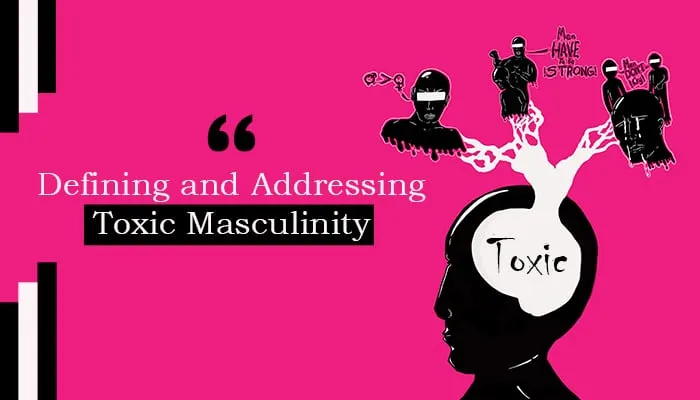
“Toxic masculinity” (sometimes called “harmful masculinity”) is often used as a catch-all term for the behaviours of men and masculine folks.
In reality, though, there’s plenty of room for someone to be masculine without being toxic or engaging in behaviour that’s dangerous or hurtful.
So what does the phrase actually mean? The popular term points to the very real problems of male violence and sexism.
If you think about the common narrative around men and boys that teaches them that boys don’t cry or that they should be able to walk it off, take it like a man under any circumstance, you could imagine how the habitual practice of not telling about your pain or worries could have significant implications.
There are downstream consequences of lacking a healthy outlet to dispense negative emotions. When you’re bottled up all the time, it’s like Whac-a-Mole. It will reappear in another way.
Common Traits of Toxic Masculinity
Traits of toxic masculinity include themes of:
- Mental and physical toughness
- Aggression
- Stoicism, or not displaying emotion
- Self-sufficiency
- Emotional insensitivity
Societal impact
While toxic masculinity definitely has effects on individuals, it can also have larger societal impacts.
Here are just a few of these impacts. Keep in mind that, while toxic masculinity plays a contributing role in these issues, it isn’t always the sole cause.
Rape culture
Toxic masculinity ideology tends to treat women as sexual objects, contributing to ongoing issues, like rape culture.
This refers to the tendency to remove blame from sexual assaulters and place it on the victim. “Boys will be boys” might sound harmless when it comes to kids roughhousing on the playground. But it can be used as an excuse for violent behavior or not respecting boundaries.
Violence
Toxic masculinity also teaches men and masculine folks that aggression and violence are key to solving problems — unless you want to appear weak.
The resulting violence, which can show up in many forms, including intimate partner violence, can have far-reaching effects on those who aren’t even directly involved.
Social exclusion
Again, there are plenty of men who do not exhibit toxic masculinity. Still, these individuals may be negatively affected by those who display those traits in the form of social exclusion. Especially among children and teens, those who don’t fit inside that predetermined box of what it means to be masculine might find themselves disliked because of it.
Addressing it
There’s no single answer to addressing the problem of toxic masculinity. Doing so requires societal shifts around several things, including gender stereotypes and the stigma surrounding mental health.
But, if you’re a man, there are a few things you can do to reduce the impact of toxic masculinity in both your own life and the lives of those around you:
- Be okay with acknowledging where you are. Everyone has a starting point. There’s no way to change or move forward if you aren’t able to be honest about the things you want to change. Maybe you weren’t a skilled communicator in past relationships. Or maybe you’ve relied on your physical size or strength to intimidate others. Don’t beat yourself up for your past actions. Put your attention on where you currently stand and how you can move forward.
- Have tough conversations. Ask your friends their perspective on how you handle tough situations or your biases in relation to masculinity. Do your part not to get defensive, and really listen to how your actions have impacted others. You might be surprised that certain things you did or said came across differently from how you intended.
- Do the work. Above all, undoing toxic masculinity as a man involves being true to yourself, not some false idea of the person you should be. Finding your true self is a process that takes time. A therapist can guide you through this process and help you alter unhelpful thinking patterns.
by admin | Oct 22, 2022 | home
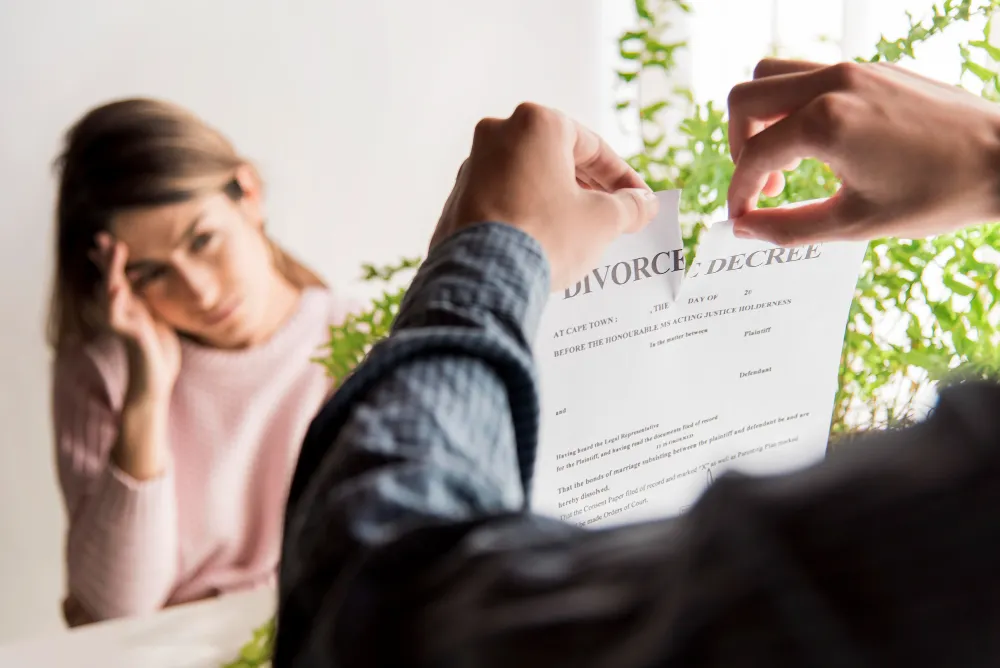
Suicide is a major public health concern worldwide. Annually, more than 10 million individuals attempt suicide, of which one million die. The majority of suicide cases (79%) occur in low and middle-income countries. Multiple studies have shown that domestic violence survivors have higher rates of suicidal thoughts. Moreover, physical assault increases the risk of suicidal attempts in married women, the impact of emotional violence, including the infidelity of husband, jealousy of husband, threats to divorce, threats to physical assaults, being isolated from family members and, control and coercion of husband on suicidal attempts is greater than physical assault.
Female victims with a chronic illness or disability who experience intimate partner violence have an increased risk of threatening or attempting suicide. Women who undergo such abuse (particularly sexual) may exhibit suicidal ideation. Suffering humiliation, ridicule, or neglect can deplete self-worth and further drive social isolation. Such victimization runs counter to the need to belong and feel valued. When this goes unmet, a passive desire for death may arise. In addition to this, Moderate suicidal ideation may arise as individuals continue to experience both psychological pain, hopelessness, loss of connectedness with other people, social roles, interests, and sense of meaning in life, as well as a continued feeling of burdensomeness.
Suicide risk among those reporting domestic violence also may be linked to when this abuse finally comes to light. Few victims report their initial domestic victimization, with most not doing so until they have endured multiple assaults. Therefore, any report probably indicates a word-long history of violence. Also, this suggests that law enforcement officers may be the first responders to encounter victims with high suicide risk.
Even though, in Pakistan, suicide rates are lower than in the west. Nevertheless, it leads to spiritual death instead. This leads to the victims losing the taste of life and just surviving while suffering. Violence against women is multi-dimensional and its definition varies based on ethical, cultural, and legal factors. Delay in the detection of domestic violence imposes serious threats to women’s life. To reduce the burden of suicide in women, families, and society, it is important that violence against women is taken seriously and addressed at both individual and system levels.
Considering the crucial role women play in the construction of a society and a nation, such consequences are alarming. As a nation, we should try to help any such victim in our surroundings because help is easier than compensating for the loss of some valuable life either physically or spiritually. After all, suicide is not a solution. This is not how this centuries’ long tyranny of males can end, it can only be put to a halt by standing against it and fighting it.
by admin | Oct 22, 2022 | home
When the federal government introduced a bill to prevent violence against women, the people of Pakistan were hopeful that it would help lessen the ever-increasing cases of domestic abuse and provide refuge to people from physical or emotional assault. But the opposition saw the contents of the Bill to be challenging patriarchal violence too brazenly, and so the Islamic Ideological Council deliberately rejected the bill. It seems that the people in charge aren’t just complicit in but are actively contributing to Pakistan’s problems.
The Domestic Violence (Prevention and Protection) Bill 2021 was introduced to punish all acts of physical, emotional, psychological, sexual and economic abuse against women, children and other vulnerable persons, or any other person with whom the respondent is or has been in a domestic relationship. The main aims of the Bill were to provide relief and rehabilitation for victims of domestic abuse and any other vulnerable people such as the elderly, assist victims in distancing themselves from abuse through the creation of a Protection Committee and allow Courts to grant interim orders, protection custody, and financial compensation to victims.
According to the Bill, stalking, invasion of privacy, character assassination and insults would also be classified as forms of domestic violence. Therefore, the Bill provided a much wider scope for protection of women, covering forms of abuse beyond just physical harassment. The Bill also included imprisonment of up to three years and a fine of up to Rs. 100,000 for domestic violence. Another recommendation of the Bill was the recruitment of Protection Officers who would be responsible for reporting domestic violence cases and collecting data.
On April 19th, 2021, Shireen Mazari, the Human Rights Minister, moved the Bill in the National Assembly and, on the same day, it passed in the lower house. The Opposition sent the Bill to a standing committee who were then asked by the Senate to submit a report on it. Their report suggested multiple amendments to the Bill. It was then referred back to the Lower House of Parliament. However, in June, the Opposition began to raise concerns over the Bill.
Babar Awan, adviser to the Prime Minister on parliamentary affairs, wrote to Asad Qaiser, National Assembly speaker, to raise concerns over the content of the Bill. The letter stated that the Bill should be referred to the Islamic Council to ensure it is in line with the Constitution of Paksitan and the principles of Islam. However, many people have criticized this decision as the Council, in 2016, proposed a law that would allow a husband to lightly beat his wife. There is an established precedent of the Islamic Ideological Council encouraging men who are violent towards their partners, and then safeguarding them after their crime has been committed. Religious groups have also criticized the definition of domestic violence as stated in the Bill as being too vague and too broad. They claim that having such a broad definition can lead to the legislation being misused. Even though countless women die every year due to domestic violence in Pakistan, our leaders have failed to take decisive action to protect them, let alone to punish their abusers. .
According to research, around 70 to 90% of Pakistani women are subjected to domestic violence. As the pandemic continues, this issue is becoming increasingly prevalent. In Sindh, where the Domestic Violence Bill is already legislated, was it able to save Qurat-ul-Ain from being beaten to death by her husband? How could she take refuge in the law, given the social structures that protect men and villainise women who dare speak up? These laws are nonetheless the first step needed to ensure the safety and rehabilitation of victims and the punishment of abusers, and to establish a precedent of our leaders actually caring about the violence that affects women disproportionately. The recent domestic violence cases in Pakistan have only emphasized the dire need for the Bill – a hope for top-down decisive action to punish those that we as a society have failed to hold accountable.
by admin | Oct 22, 2022 | home
Most research concerning risk factors has indicated that lack of education is a risk factor for domestic violence. Lack of education is generally defined as having earned less than a high school diploma, although some studies include those with less than a college degree in their definition. It has been noted that women with less education experience domestic violence at higher rates than women who have achieved a higher level of education. This does not mean that people with higher levels of education cannot be victims of domestic violence; it simply means that the risk of being a victim of domestic violence is greater for those with less than a high school or college education.
Lack of education leads to a lack of employment. If abuse already exists in a relationship, the lack of education and strained income of the victim provides the abuser with an upper hand in feeding upon the victim’s vulnerability. Many victims of domestic violence stay in their situations due to feelings of necessity. The victim has often been isolated from friends and family by the abuser, and this unequal financial arrangement further fuels her sense of dependency and reluctance to leave. The victim may be unable to seek employment which makes leaving the relationship financially feasible, or unable to seek any employment at all.
Education provides one with opportunities to learn new things. Knowledge is not the only advantage to an increased educational level. Education in safe and inspiring learning environments is one of the best ways to empower girls and reduce harmful practices like child marriage and female genital mutilation. An educated girl will understand her rights; have the confidence to claim them and make her own choices about her future.
Ending violence against women will require major and far-reaching social change. The history of respectful relationships or gender-based violence education indicates that schools can play a significant role in this process. But it is short-term, inadequately funded approaches that do little to recognize the complexity of change and the time it takes to bring an education community to a common understanding, awareness, and commitment to change. So, we should all start educating our girls to empower them, as this is the only way to save them from domestic violence or the fear of being left alone.